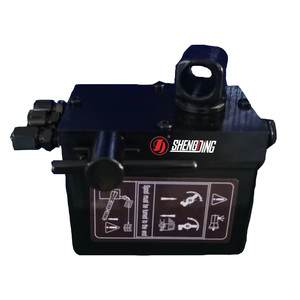

Precision-tested hydraulic hand and electric tilting units compatible with European, Asian, and domestic heavy commercial vehicle platforms. Fully serialized with OEM cross-references.
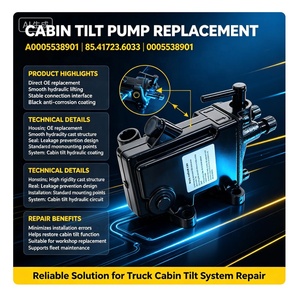
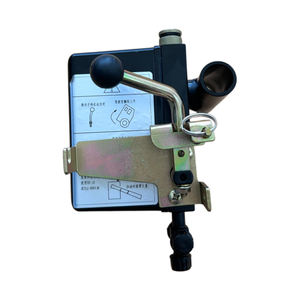
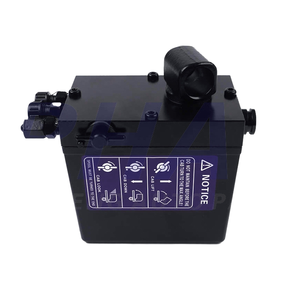
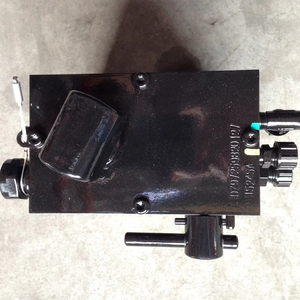
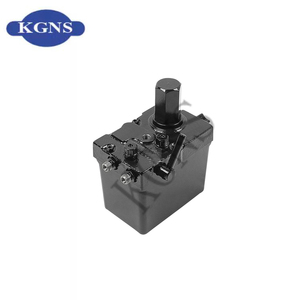
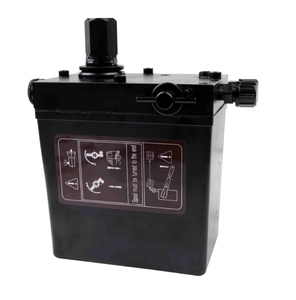
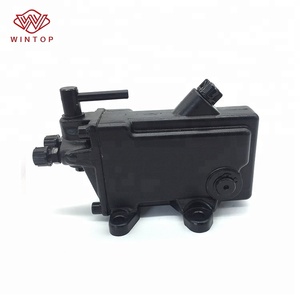
In modern commercial vehicle operations, the cab tilting mechanism is fundamentally a critical safety and routine maintenance access subsystem. A malfunction in the hydraulic cab tilt pump freezes engine compartment access, elevates fleet downtime costs, and exposes technicians to critical mechanical hazards. As leading Chinese manufacturing and export specialists, our production facility addresses this critical interface through high-precision manufacturing, micro-finished internal bores, and stringent seal validation protocols designed to handle demanding thermodynamic shifts.
Hydraulic cabin tilt systems require immense volumetric efficiency packed into compact envelopes. Hand-operated hydraulic pumps depend on balanced dual-displacement piston systems that minimize mechanical operator strain during manual elevation while sustaining system pressure over extended service lifecycles. Alternately, modern electric-hydraulic cabin tilt units integrate permanent magnet direct-current (PMDC) drive systems coupled with internal directional valves. These assemblies demand uncompromising component consistency: valve spools ground within sub-micron tolerances, hardened steel piston sleeves capable of cyclic pressure bursts reaching 320 to 380 Bar, and chemical-resistant fluoroelastomer seals that eliminate hydraulic weeping under extreme high/low-temperature cycles.
To support fleet engineers, procurement specialists, and aftermarket distributors in matching operational parameters with exact vehicle duty cycles, our manufacturing processes follow standardized technical tolerances across all mechanical iterations:
| Parameter | Manual Hydraulic Tilt Pumps | Electro-Hydraulic Integrated Units |
|---|---|---|
| Rated System Pressure | 250 Bar – 320 Bar | 280 Bar – 360 Bar |
| Displacement per Stroke / Flow | 4.5 cm³ – 8.2 cm³ (Dual Action) | 0.8 L/min – 1.5 L/min @ Rated Load |
| Thermal Operational Range | -40°C to +80°C (Arctic Grade Seals) | -35°C to +75°C |
| Housing Metallurgical Composition | Ductile Iron QT450 / Drop-Forged Steel | Die-Cast High-Grade A380 Aluminum & Steel |
| Internal Leakage Tolerance | ≤ 2 drops/min at 200 Bar sustained | Zero bypass past pilot check valves |
How electrification, automated logistics, and smart telematics are transforming cabin tilting hardware requirements worldwide.
With increasing cab weights resulting from enhanced structural crash safety cages (ECE R29-03 standards) and luxury interior insulation, manual pumping demands excessive physical effort. Commercial buyers are aggressively shifting procurement allocations toward hybrid electro-hydraulic pumps that combine 24V push-button cab actuation with secondary manual fail-safe linkages.
Procurement channels in mature markets are mandating integrated digital pressure-transducer ports. Next-generation cabin pumps feature integrated electronic limit switches directly interfaced with the vehicle's Central Electronic Control Unit (ECU), inhibiting ignition starter circuits until the cabin tilt mechanism is hydraulically clamped in absolute mechanical home position.
International tier-1 distributors are prioritizing manufacturers utilizing near-net-shape ductile iron casting and recyclable hydraulic components. Chinese foundries featuring automated sand-core handling and automated closed-loop fluid cleaning lines offer major commercial buyers sustainable ESG alignment without eroding cost-per-unit competitiveness.
Operating out of premier automotive industrial manufacturing corridors, our engineering desk integrates direct access to leading mechanical component supply clusters with professional foreign trade coordination. Sourcing directly through our export channel delivers verified technical execution without the multi-tiered markup or communication barriers typical of commercial trading agencies.
Every product is backed by comprehensive cross-referencing protocols. OEM part numbers across Mercedes-Benz, Renault, MAN, DAF, Scania, and domestic giants like FAW and Shacman are structurally cataloged, ensuring exact dimensional fitment across mounting hole pitches, hydraulic port threads (Metric, BSPP, Voss), and fluid reservoir volumes.
Our assembly facilities run automated multi-stage pressure validation rigs. Every cabin tilt pump undergoes cycle testing under 1.25x maximum rated operating pressure, static load hold tests, and bubble-tight valve seat verification before entering rust-preventative packaging lines.
We streamline documentation for seamless customs clearance worldwide. Orders are handled by logistics specialists providing verified Commercial Invoices, Packing Lists, Certificates of Origin, and international shipping terms (FOB, CIF, DAP) across key commercial hubs in Europe, the Middle East, Africa, and South America.
Technical considerations, minimum order quantities, and OEM cross-reference verifications.