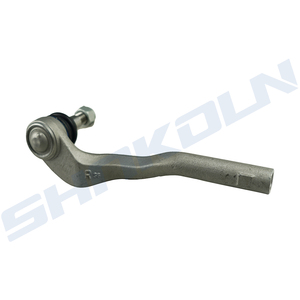

Explore precision-machined heavy-duty truck components, safety articulation assemblies, and specialized suspension pairings tested for cross-continental haulage and severe operating environments.
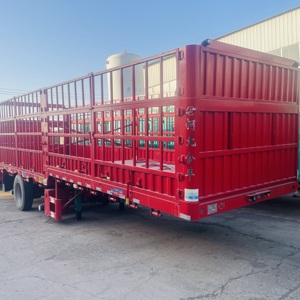
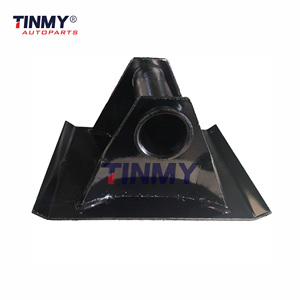
The fifth wheel coupling acts as the vital mechanical nexus linking the tractor unit to the semi-trailer. Engineering this interface requires balancing dynamic forces including longitudinal tractive stress, transverse overturning moments, and severe vertical oscillation. In modern heavy-haul logistics, fifth wheel components must withstand immense dynamic fatigue without sacrificing coupling sensitivity or driver safety.
Industrial manufacturing centers produce top plate castings typically using Austempered Ductile Iron (ADI) or specialized low-alloy cast steel (grade 20Mn5). These metallurgical choices prevent brittle fractures during low-temperature operations while preserving exceptional surface hardness across the main throat area. Precision CNC-machined locking mechanisms, such as single-jaw split-wedge or multi-jaw claw locks, encircle either the standard 2-inch (50 mm) or heavy-duty 3.5-inch (90 mm) SAE/DIN kingpins with tighter manufacturing tolerances than generic castings.
Coupling systems are classified by their D-value rating (expressed in kilonewtons, kN) and vertical imposed load (U-value in metric tonnes). For standard highway operations (40-44 tons GCW), couplings with a D-value rating between 130 kN and 165 kN are typical. However, regional heavy-transport corridors, multi-trailer road trains, and severe off-road mining applications require heavy-duty fifth wheels with ratings exceeding 170 kN to 260 kN. Selecting an accredited factory that conducts dynamic test-bench cycles—exceeding two million stress cycles per UNECE Regulation 55 (ECE R55) and ISO 3853 standards—is essential to mitigate catastrophic coupling failure on long-haul transport corridors.
Procuring fifth wheels and articulation assemblies requires technical verification beyond standard commercial pricing quotes. Mechanical procurement officers must evaluate an exporter across four core technical pillars:
1. Metallurgical Certification and Non-Destructive Testing (NDT): Top-tier foundries integrate computerized ultrasonic testing (UT) and magnetic particle inspection (MPI) along high-stress points, such as mounting pivot pockets, locking-bar retention pins, and throat radiuses. Verified mill test certificates detailing chemical composition and Charpy V-notch impact values ensure operational safety in extreme climates down to -40°C.
2. Lubrication Technology and Total Lifecycle Cost: Conventional grease plates require frequent manual lubrication, leading to higher maintenance costs and grease contamination on pneumatic lines. Advanced manufacturers produce low-maintenance or self-lubricating designs featuring replaceable sintered bronze or ultra-high-molecular-weight polyethylene (UHMW-PE) sliding inserts. These configurations significantly reduce grease consumption, lower workshop downtime, and extend wear ring longevity.
3. Mounting Plate Versatility and Slide Range: Heavy-duty prime movers demand flexible weight distribution configurations across tractor drive axles. Sourcing partners must supply precision slider tracks with positive locking mechanisms, allowing pneumatic or manual travel adjustments to comply with regional axle-weight regulations across varying axle configurations.
4. Cross-Reference Interoperability: Export supply desks must maintain verified compatibility matrices linking their cast assemblies, replacement jaws, lock pins, and rubber pivot bushings to major international standards (including Jost, SAF-Holland, Fontaine, and George Fischer equivalents). This ensures fleet workshops can manage routine overhauls using readily available service kits.
Autonomous transport, electronic braking integration, and fleet safety demands are reshaping fifth wheel coupling design and procurement specifications.
Next-generation fifth wheels incorporate embedded magnetic sensors monitoring kingpin entry, lock-bar engagement, and trailer skid-plate contact height. These systems interface directly with the vehicle's CAN-bus network, providing tractor cabin dashboards with definitive coupling verification and warning drivers of partial or false couplings before drive-off.
Driven by the rise of terminal automation and long-haul autonomous convoys, auto-docking fifth wheels automatically connect dual-line pneumatics, ISO 12098 electrical connectors, and high-speed EBS communication data cables during articulation—eliminating hazardous manual hose coupling operations in tight dock environments.
Fleet operators prioritize higher payloads and fuel efficiency. Manufacturers are utilizing finite element modeling (FEM) to re-engineer top plates, removing non-structural mass while strengthening primary stress lines. This lightweight construction reduces tare weight by 20 to 35 kg per tractor unit without compromising structural yield strength or D-value integrity.
Combining the heavy-duty manufacturing ecosystem of Bursa, Türkiye with rigorous OEM cross-referencing and direct multimodal export coordination.
Situated in the heart of Turkey's automotive manufacturing corridor, our export desk has immediate physical access to advanced foundries, Tier-1 machining cells, and specialized testing facilities, maintaining strict quality supervision over production batches.
We eliminate incorrect orders through proprietary technical matching. Every part number, lock kit, and valve is cross-referenced against global OEM catalogs (Mercedes, Scania, Volvo, MAN, SAF, BPW, Jost) with verified dimensional, thread, and pressure data.
We streamline customs clearance for buyers across the EU, Middle East, Africa, and the Americas. Shipments are supported with commercial invoices, certified packing lists, Certificates of Origin, and ATR movement certificates for preferential duty access under EU agreements.
Detailed technical, compliance, and supply chain answers addressing the concerns of fleet engineering teams and international procurement officers.
The required D-value is calculated using the formula: D = g × (T × R) / (T + R), where 'g' is acceleration due to gravity (9.81 m/s²), 'T' is the maximum permissible gross vehicle weight of the tractor unit in tonnes (including fifth wheel vertical imposed load), and 'R' is the gross weight of the laden trailer in tonnes. For multi-combination setups or severe off-highway hauls, specify couplings certified at least 15–20% higher than calculated minimums.
Yes. Fifth wheels are provided with standardized ISO/DIN base plate mounting patterns, slider tracks, or pre-drilled brackets tailored for direct chassis installation on Mercedes-Benz Actros, MAN TGX, Scania R/S series, Volvo FH, DAF XF, and American chassis hole grids. Custom-pitch intermediate base plates are fabricated upon receipt of chassis hole drawings.
The 2-inch (50 mm) kingpin interface is standard for general highway logistics up to 44-50 tons gross combination weight. The 3.5-inch (90 mm) kingpin coupling is designed for heavy-haul, lowbed multi-axle trailers, timber logging, and off-road mining applications carrying combinations exceeding 60-120 tons. Some dual-mode fifth wheels allow interchangeable throat jaws to handle both kingpin sizes.
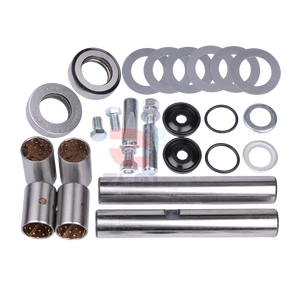
High-wear components—including locking jaws, wedge bars, wear rings, and rubber pivot bushings—are standardized and supported with dedicated rebuild kits. Fleet managers can service the throat assembly using calibrated feeler gauges without removing the primary fifth wheel top plate from the chassis, lowering lifecycle repair overheads.
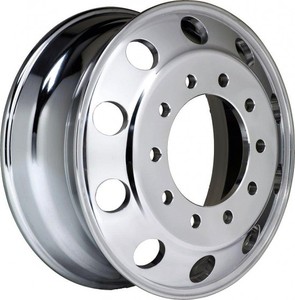
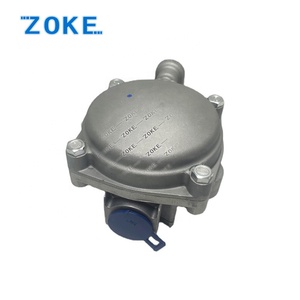
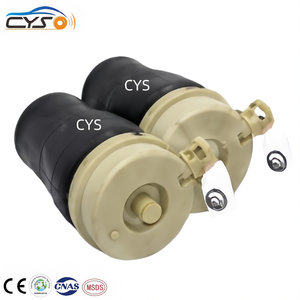
Yes. Consolidated container shipments are our primary export service. International buyers can combine fifth wheel couplings, landing gear, forged wheels, brake relay valves, tie rod ends, and air suspension bags into a single sea freight or road container, maximizing freight efficiency and streamlining customs brokerage.
Shipments can be provided with full EN 10204 3.1 chemical and mechanical inspection certificates, third-party foundry test records, UNECE R55 type approvals, and ultrasonic defect inspection reports. Pre-shipment batch inspections by entities like SGS or Bureau Veritas can also be coordinated based on contract requirements.