Steering & Axle
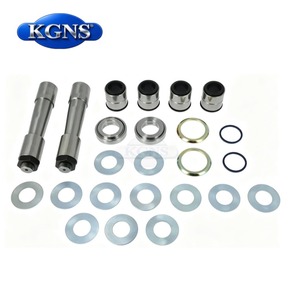

Engineered to withstand heavy structural shock, severe lateral chassis vibration, and unpaved terrain across key Nigerian freight routes including Lagos, Kano, Onitsha, and Port Harcourt.
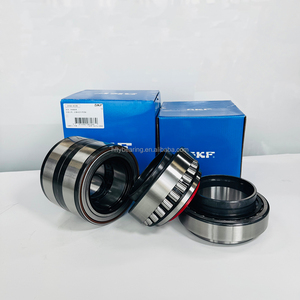
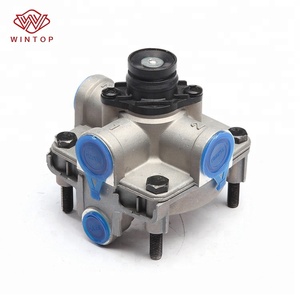
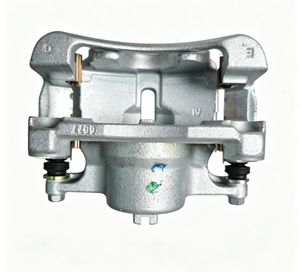
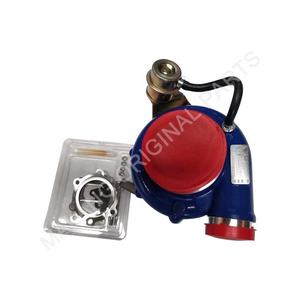
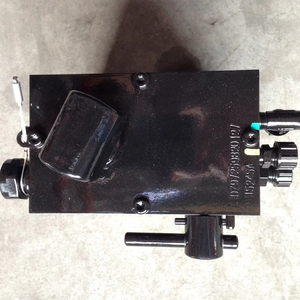
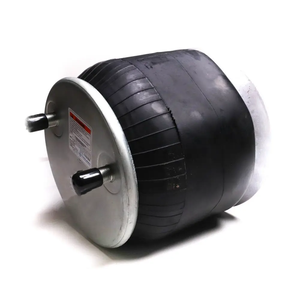
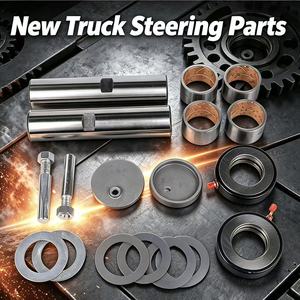
Commercial transport in Nigeria operates under extreme mechanical, climatic, and electrical stress. Discover how high-grade LED trailer lighting directly addresses regional logistics vulnerabilities.
Commercial road transport serves as the backbone of Nigeria's supply chain, responsible for over 90% of all inter-state freight movement. From the massive container terminals of Apapa and Tin Can Island in Lagos to inland distribution hubs in Onitsha, Kano, Kaduna, and Aba, heavy articulated tractor-trailers, lowbeds, flatbeds, and fuel tankers navigate complex operating environments. Under these conditions, vehicle visibility is not merely a legal requirement—it is a critical safety factor preventing rear-end collisions, roadside downtime, and regulatory impoundments.
Nigerian fleet operators often utilize secondary or rebuilt alternators that induce wide voltage spikes. Our commercial LED trailer lights incorporate wide-range internal Constant Current Drivers (9V–32V DC), safeguarding SMD diodes against destructive inductive surge pulses and low-voltage flickering.
Traversing fractured highway stretches along the Benin-Ore Expressway or the Lagos-Ibadan corridor subjects trailer chassis to intense harmonic shock. Unlike fragile incandescent filaments that shatter upon impact, our solid-state epoxy-potted LED circuit boards deliver zero-maintenance operational longevity.
During the intense equatorial rainy season, roads in industrial areas like Apapa port frequently flood. Standard trailer lamps short out upon immersion. Our ultrasonic-welded, polycarbonate IP68/IP69K modules resist water ingress, caustic road wash, and fine Sahara Harmattan dust penetration.
A performance breakdown demonstrating lifecycle return on investment for commercial transport and fleet procurement officers.
| Performance Parameter | Legacy Incandescent Trailer Lamps | Export-Grade Commercial LED Assemblies | Operational Impact in Nigeria |
|---|---|---|---|
| Operating Voltage Span | 12V or 24V rigid tolerance (±10%) | 9V – 32V Auto-sensing intelligent IC driver | Immune to erratic alternator charging outputs |
| Enclosure Protection Class | IP54 to IP65 with rubber gasket seals | IP68 & IP69K fully potted resin casting | Complete resistance to coastal floods and high-pressure washing |
| Vibration & G-Shock Limit | Fails under 3G sustained structural shock | Solid-state design rated beyond 20G impact | Eliminates filament breakage caused by potholes |
| Current Consumption | 21W – 25W per signal filament | 1.8W – 3.5W per signal diode bank | Reduces battery drain and wire harness overheating |
| Lens Material & UV Rating | Brittle acrylic, yellows under equatorial sun | High-impact, UV-stabilized virgin Bayer Polycarbonate | Resists stone-chipping, micro-cracking, and sun fading |
Analysis of policy enforcement, fleet consolidation, and trade corridors shaping automotive electrical component demands.
The Nigerian commercial vehicle parts marketplace is undergoing an accelerated modernization cycle driven by three structural transformations:
1. Stringent Enforcement by Regulatory Bodies (FRSC & VIO): The Federal Road Safety Corps (FRSC) and State Vehicle Inspection Officers (VIO) have increased inspections targeting non-compliant, unlit, or poorly marked commercial trucks. Operating articulated trailers without rear combination lights, retro-reflective markings, and visible amber side-markers now incurs severe fines and cargo impoundment. Fleet operators are proactively retiring low-quality lights in favor of heavy-duty LED marker lights, stop-tail-turn assemblies, and sequential indicators.
2. Rapid Growth of Chinese Heavy Fleet Platforms (Sinotruk HOWO, Shacman, FAW): Chinese commercial prime movers dominate the heavy logistics landscape in Nigeria, widely favored by conglomerate fleets such as Dangote Transport and BUA Logistics. Because these tractors feature metric electrical wiring and 24-volt architectures, transport engineers require direct plug-and-play compatibility. Our LED trailer lamps use multi-pin waterproof Deutsch and AMP superseal connectors configured specifically for Sinotruk and European trailers (BPW, SAF axle setups).
3. Transition from Spot Retail to Factory-Direct B2B Sourcing: Leading fleet operators in Ikeja, Trade Fair Complex (Ojo, Lagos), and New Parts Market (Nnewi) are shifting away from high-markup domestic middlemen. Wholesale buyers increasingly establish direct procurement channels with tier-one Chinese manufacturers that offer comprehensive quality verification, OEM cross-reference traceability, and consolidated container shipping straight into Apapa or Onne ports.
Direct answers covering trade terms, documentation, quality standards, and consolidated logistics support.
Yes. We have extensive experience preparing export documentation for Nigeria-bound cargo. We coordinate with accredited international testing agencies (such as SGS, Intertek, or Cotecna) to issue the required Product Certificate (PC) and SONCAP Certificate (SC). In addition, every commercial shipment includes an accurate Combined Certificate of Value and Origin (CCVO), commercial packing list, Bill of Lading, and Form M reference compliance data to streamline clearance through Nigerian Customs Service (NCS) at Apapa, Tin Can, or Port Harcourt ports.
Many prime movers in West Africa operate with worn voltage regulators that cause transient voltage spikes up to 35V. Unlike standard lights that burn out immediately, our industrial LED trailer lighting assemblies incorporate wide-voltage integrated circuits (9V-32V DC). They feature built-in metal oxide varistors (MOV) and Transient Voltage Suppressor (TVS) diodes that actively absorb inductive kickback and spikes, ensuring continuous operation without burnt out SMD chips.
Absolutely. One of our primary operational strengths is consolidated B2B sourcing. Importers can combine high-cube, lower-weight items such as LED tail lamps, side markers, and working lamps with high-density chassis components like DAF/HOWO king pin repair kits, universal relay valves (9730110000), brake calipers, and wheel hub bearings into a single 20ft or 40ft container. This substantially reduces your per-unit sea freight and clearing expenses.
Yes. Our commercial trailer lamps are fully certified according to UNECE regulations (E-Mark: ECE R3, R6, R7, R10 for EMC, R23, R38, R48) and US FMVSS 108 (DOT/SAE). These certifications ensure legal operational status on international freight corridors and confirm that our photometric distribution, luminous intensity, color chromaticity, and electromagnetic noise suppression meet the highest global standards.
For standard catalogue items, our MOQ is flexible and can be adapted to pallet or mixed-carton configurations for testing and trial orders. To safeguard electronics across the 30-to-45 day sea transit from China to West Africa, all lighting units are individually packed in anti-scratch EPE foam sleeves, boxed in 5-ply export master cartons, and palletized with stretch film wrap and corner edge protectors to eliminate moisture damage and transit compression.
Combining rigorous automotive engineering, structured technical verification, and hands-on export coordination.
Our manufacturing and assembly facilities operate under certified IATF 16949 and ISO 9001 automotive quality frameworks. Optical modeling, environmental stress screening, thermal chamber cycles (-40°C to +85°C), and automated salt-spray salt chamber checks ensure zero-defect outgoing quality.
We eliminate incorrect component selection through our structured cross-reference system. Every lighting assembly, valve, and bearing links directly to factory OEM numbers (including Mercedes, DAF, Volvo, BPW, SAF-Holland, and Sinotruk), guaranteeing direct mechanical fit and connector alignment.
Our multilingual international trade specialists handle the end-to-end export process: from initial quotation, technical drawings, sample verification, and container stuffing plans, to formal commercial documentation and freight forwarder coordination directly to African entry ports.