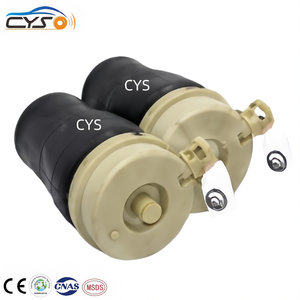

Explore our certified heavy-duty vehicle portfolio engineered to withstand dynamic torsional fatigue, continuous Australian haulage loads, and harsh operating climates across Victoria.
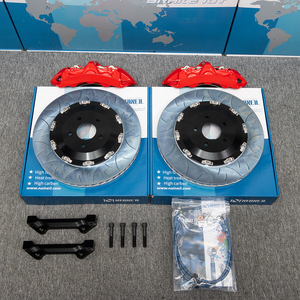
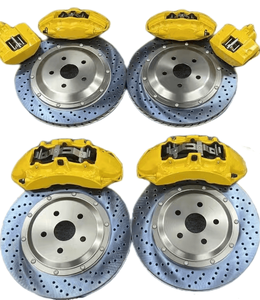
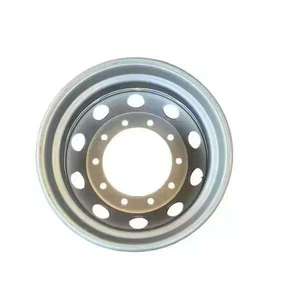
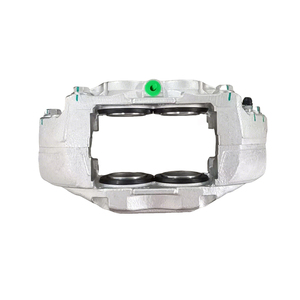
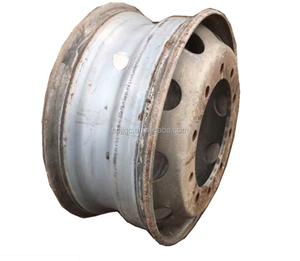
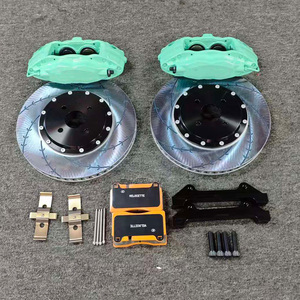
A deep dive into powertrain thermal stress, metallurgy requirements, and cyclical torsional resonance patterns unique to Victoria’s supply chain corridors.
Melbourne's commercial vehicle ecosystem relies intensely on high-density freight distribution out of the Port of Melbourne, Webb Dock, and the western industrial belt (Truganina, Laverton North, and Altona). Hauling high-cube shipping containers involves sustained stop-start cycles, steep dock ramps, and high transmission slip angles.
Operating linehaul runs along the Hume Freeway to Sydney and Western Highway toward Adelaide subjects flywheels to sustained 1,800 to 2,500 Nm torque envelopes. Under gross combination masses (GCM) exceeding 68.5 tonnes, substandard flywheel castings suffer crystalline distortion and localized friction hot spots.
Victoria's Big Build infrastructure projects—including major tunnel, highway widening, and port link developments—employ rigorous tipper, agitator, and heavy-duty rig fleets. Operating across unpaved quarries and muddy access spurs places abnormal clutch engagement friction onto the flywheel face.
Market realities transforming how Melbourne fleet maintenance managers, Tier-1 rebuilders, and transport workshops procure heavy-duty flywheel components.
With skyrocketing workshop labor charges in Melbourne ($160–$220/hr) and tight delivery deadlines along the eastern seaboard, fleet operators are shifting away from multiple re-machining passes. A flywheel that has been turned too thin has reduced thermal mass, which can lead to rapid clutch failure and costly unscheduled roadside downtime. Operators now prefer drop-in, dynamically balanced replacement assemblies.
The vast majority of modern prime movers registered across Victoria utilize computerized manual transmissions (such as Volvo I-Shift, Scania Opticruise, and Eaton UltraShift PLUS). These systems demand tighter flywheel tolerances, precise ring gear pitch diameters, and strictly controlled rotational damping to protect delicate shift actuators.
Global supply chain volatility has taught Melbourne parts distributors the danger of relying on long lead-time regional consignments. Fleet workshops are entering direct supply contracts with specialized manufacturing plants to secure scheduled container shipments of high-turnover flywheels, brake components, and wheel hubs with predictable lead times.
Every commercial vehicle flywheel and chassis component follows a multi-stage quality gate process before international ocean or air dispatch.
Technical verification against verified vehicle codes, engine displacements (11L, 13L, 15L, 16L), transmission types, and pitch diameters for perfect fitment.
Pearlitic cast iron and nodular iron matrices checked via spectral analysis to guarantee crack resistance, optimal hardness, and uniform heat dispersion.
Precision CNC turning followed by ISO G2.5 electronic dynamic balancing to eliminate harmonic driveline flutter and premature main bearing wear.
Anti-corrosion VCI barrier packaging, reinforced maritime crates, comprehensive commercial paperwork, Certificates of Origin, and scheduled Melbourne delivery.
Real-world technical and commercial answers for Australian parts managers, workshops, and commercial vehicle distributors.
Supply your fleet OEM part numbers, casting references, or annual purchasing schedules. Our technical sales engineers will verify cross-references, confirm metallurgy specifications, and provide transparent FOB or CIF Melbourne quotes.