
Precision Hydraulic Actuation, Severe-Duty Endurance, and Cross-Border Sourcing Solutions for Heavy-Duty Fleets and Distributors across the Indian Subcontinent.
Direct factory supply with audited interchange references. Every item is verified against technical blueprints and structural tolerances prior to dispatch.
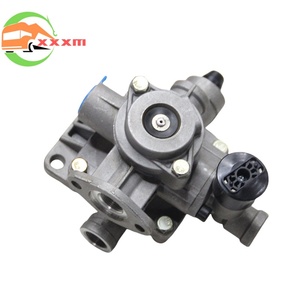
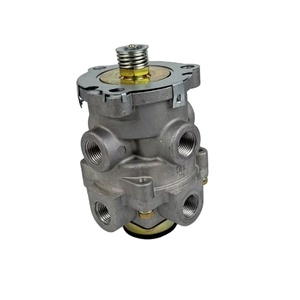
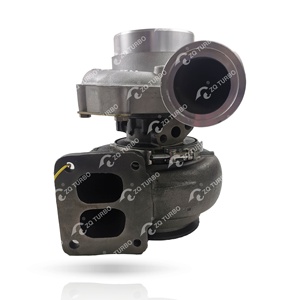
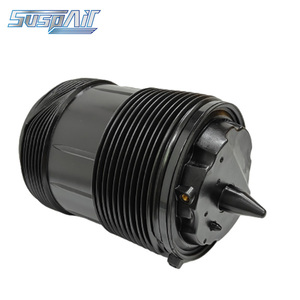
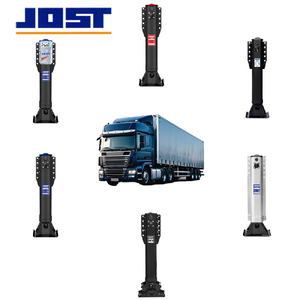
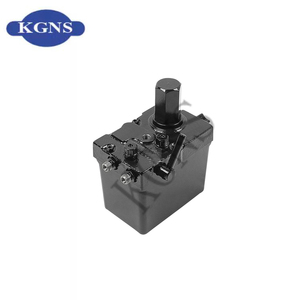
In modern commercial drivetrains, the clutch actuation architecture serves as the critical mechanical-hydraulic link between pedal modulation and torque transfer. Within heavy-duty haulage, multi-axle tippers, and regional distribution buses, the clutch slave cylinder (frequently incorporated as a Concentric Slave Cylinder or paired with external pneumatic clutch servos) converts hydraulic pressure directly into axial thrust against the clutch release fork or diaphragm spring. For fleet operators and aftermarket procurement specialists targeting the Indian commercial vehicle ecosystem, standard OEM components often face accelerated fatigue failure if not calibrated for regional environmental extremes.
A clutch slave cylinder's operating cycle involves rapid internal pressure spikes transitioning between 0 to over 40 bar during dynamic pedal depression. When commercial vehicles traverse varying geographic terrains—ranging from the high-altitude gradient passes of Himachal Pradesh to the saline, high-humidity coastlines of Gujarat and Tamil Nadu—the cylinder body and internal seals face compound deterioration risks:
Thermal cycling oxidizes conventional nitrile seals, resulting in hardness elevation (Shore A drift) from 70 to over 85, producing micro-tears and pressure bypass during high-temperature stop-and-start operations.
Unpaved haulage tracks in rural transit and mining zones introduce fine silica particles. Without dual-lip dust boots and anodized internal bore treatments, abrasive wear accelerates piston cocking.
Moisture absorption through substandard vent caps drops DOT 3/DOT 4 boiling thresholds below 150°C, causing pedal sponginess, gear dragging, and synchronized transmission teeth wear.
To overcome these failure mechanisms, our export-grade clutch slave cylinders integrate hard-anodized aerospace-grade cast aluminum alloys or nodular cast iron bodies, matched with German-engineered fluorosilicone dust boots and ethylene-propylene elastomer seals capable of operating reliably across -40°C to +150°C.
Deploying clutch slave cylinders across the Indian subcontinent requires a nuanced understanding of vehicle platforms, operating loads, and regional operational profiles. The Indian commercial market encompasses a dual architecture: established domestic workhorses (Tata Motors, Ashok Leyland, Eicher, Mahindra) running alongside global multi-axle platforms (BharatBenz, Scania, Volvo, MAN).
A. Heavy-Duty Multi-Axle Over-the-Road (OTR) Freight: On prime movers navigating the Golden Quadrilateral, 40-tonne to 55-tonne gross vehicle weight (GVW) combinations utilize pneumatically assisted clutch servo assemblies connected to remote slave units. Sustained highway speeds followed by bottleneck toll plazas subject slave cylinder return springs to fatigue. Our assemblies utilize shot-peened silicon-chrome spring steel to prevent incomplete clutch plate disengagement and subsequent clutch disc burnout.
B. Mining, Quarry, and Construction Tipper Operations: Tippers operating in the mineral-rich belts of Odisha, Jharkhand, and Karnataka face relentless clutch slippage maneuvers during steep gradient ascents with dense payloads. These conditions cause sustained elevated bellhousing temperatures. Here, concentric slave cylinders (CSC) with integrated release bearings eliminate alignment errors and mitigate axial clutch fork vibration.
C. Intra-City Transit & Last-Mile Electric-Diesel Hybrids: Municipal bus fleets in Bengaluru, Kolkata, and Chennai demand zero hydraulic fluid leakage to comply with strict state transport undertaking (STU) depot inspection standards. Our multi-stage lip-seal design prevents fluid migration into the clutch housing, shielding organic friction linings from oil-contamination slipping.
The automotive landscape in India is undergoing monumental structural modernization, accelerated by government mandates, logistics digitization, and infrastructure expansions:
Strict Adherence to BS-VI (Stage II) Emission Standards and Powertrain Efficiency: The transition to BS-VI Stage II on-board diagnostics (OBD-II) demands stringent parasitic loss reduction. Precise clutch actuation directly reduces engine idling drag and parasitic torque losses. Modern slave cylinders must exhibit near-zero mechanical hysteresis to ensure crisp electronic throttle and clutch synchronization in AMT (Automated Manual Transmission) trucks.
Rapid Penetration of Automated Manual Transmissions (AMT): Across long-haul fleets, driver ergonomics and fuel-economy preservation are driving AMT adoption. In an AMT system, clutch slave cylinders are actuated via electro-pneumatic or electro-hydraulic solenoid valves rather than human pedal feel. This demands ultra-fast actuation response times (sub-80 milliseconds) and micro-tolerance stroke positioning sensors (hall-effect sensor compatibility).
Consolidation of Distribution Networks & Aftermarket Formalization: With the implementation of the Goods and Services Tax (GST) and the rise of organized regional logistics hubs, commercial vehicle parts retailers are moving away from unbranded, remanufactured hydraulic parts. Fleet managers demand certified Tier-1 quality, traceable batch codes, cross-referenced OEM numbering, and dependable export consignments with consistent metallurgy.
Headquartered in Nilüfer, Bursa—the heart of Türkiye's industrial automotive manufacturing—we provide direct B2B supply chains devoid of multi-tiered middlemen markups.
Situated within Türkiye's premier automotive corridor, our production and sourcing channels provide direct access to OEM-grade foundries, robotic CNC machining lines, and certified elastomer compounding facilities.
We eliminate expensive wrong-fit shipment errors by cross-verifying domestic Indian OEM part numbers (Tata, Leyland, BharatBenz) against European aftermarket standards (ZF, Wabco, Knorr-Bremse, FTE, LuK) prior to manufacturing.
Founded by Burak Azman, our operations benefit from a decade of frontline foreign trade and multimodal freight execution. Buyers deal with an accountable engineering desk rather than generic sales brokers.
Fluent technical and logistical collaboration across English, Turkish, German, and French, ensuring seamless commercial drafting, technical drawing reviews, and documentation compliance.
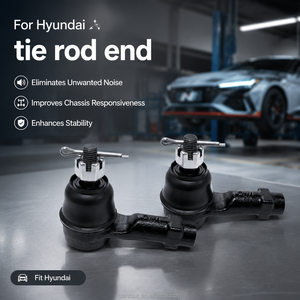
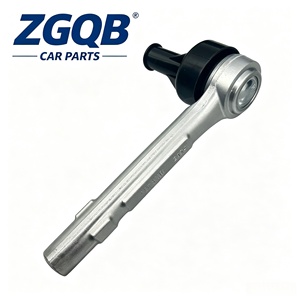
Consolidate clutch slave cylinders, brake relay valves, leveling valves, and steering linkages into single containerized shipments from Bursa ports (Gemlik) to Nhava Sheva, Mundra, or Chennai.
Shipments include Certificate of Origin, mill test metallurgical analysis, packing lists optimized for Indian port customs clearance, and tailored bill of lading logistics support.
Clear technical, logistical, and commercial answers for fleet buyers, distributors, and aftermarket wholesalers.
Whether you require cross-referencing for an Indian fleet tender, containerized distributor pricing, or technical product blueprints, our engineering export desk is ready to support your supply chain.