C9 Industrial / Truck
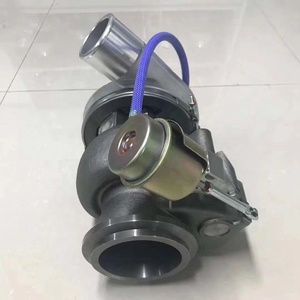

Engineered with Inconel 713C turbine wheels, dual VSR dynamic balance up to 250,000 RPM, and direct compatibility with European fleet flagships including MAN, Scania, Iveco, Volvo, and intermodal transport units.
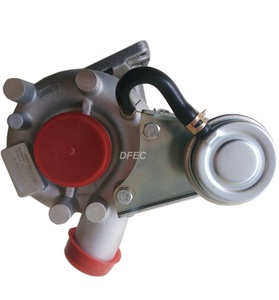
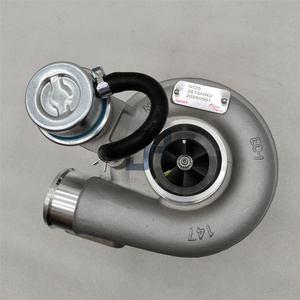
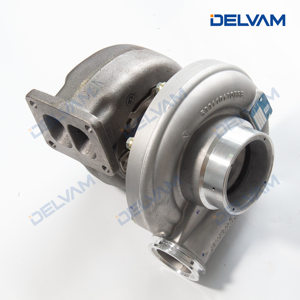
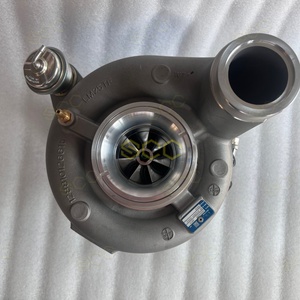
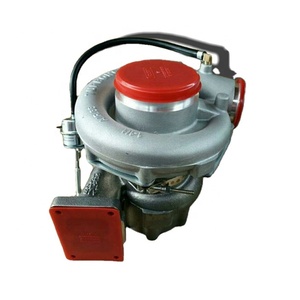
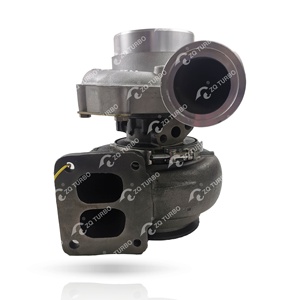
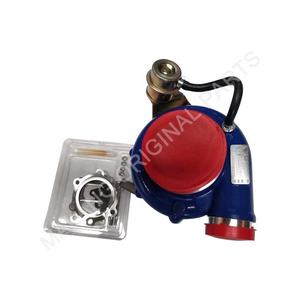
Commercial vehicle turbocharging is no longer just about horsepower—it is the central organ of emissions suppression, low-RPM pulling efficiency, and total cost of ownership (TCO) control.
Exhaust gas temperatures (EGT) on long climb routes through the Alps frequently exceed 780°C. Standard cast iron blades suffer blade creep and thermal fatigue failure. Our turbine wheels utilize Inconel 713C high-nickel superalloy cast under vacuum conditions to guarantee high yield strength, oxidation resistance, and zero tip deflection under sustained full-throttle boost.
The leading cause of premature turbocharger shaft snapping and oil seal leakage is residual dynamic unbalance. Every cartridge (CHRA) undergoes two distinct balancing protocols: low-speed component balancing, followed by Schenck VSR acoustic vibration analysis at operational speeds exceeding 220,000 RPM under hot-oil pressurized lubrication.
Euro 5 and Euro 6 trucks require micrometer-precise variable geometry turbo (VGT) vane angling. Our VGT assemblies feature HELLA or BorgWarner-compatible digital electronic actuators pre-calibrated to factory stroke length and PWM feedback curves, ensuring plug-and-play installation without error codes.
The Metropolitan City of Milan (Città Metropolitana di Milano) forms the beating economic heart of Italian logistics. Operating trucks in this territory presents severe mechanical stress profiles distinct from standard highway touring.
Fleets pulling container semi-trailers out of rail terminals like Segrate and connecting with Genoa port arteries require instantaneous spool-up at low torque. Our turbochargers utilize forged milled compressor wheels (FMW) that reduce rotating mass by 14%, eliminating acceleration lag under maximum gross vehicle weight (44 metric tons).
Long continuous pulls through Monte Bianco, Frejus, and the Brenner Pass generate massive sustained thermal exhaust loading. Our turbocharger turbine housings use ductile iron with high molybdenum content (GGG-SiMo), eliminating manifold flange warping, stud breakage, and housing fractures under intense thermal cycles.
Milan's low-emission zones (Area B) and congested ring roads enforce low engine load conditions that accelerate DPF soot accumulation. Turbochargers must maintain strict boost-to-air ratios to prevent fuel wash and unburned particulate matter. Our tight tolerance seals eliminate oil passing into the intercooler line.
| Vehicle / Engine Model | Common Turbo Model | OEM Cross-Reference Numbers | Lombardy Application Profile | Key Engineering Advantage |
|---|---|---|---|---|
| Scania R420 / 124 (DSC12 / DC12) | GT4288 / GT4294 | 452109-0006, 703072-5003, 1412299 | Long-haul intermodal A4 corridor | Oversized 360° bronze thrust bearing |
| MAN TGA / TGX (D2866 / D2066) | BorgWarner K31 | 53319887206, 51091007487, 51091007766 | Heavy alpine transit & refrigerated cargo | Inconel turbine wheel, zero thermal deform |
| Mercedes-Benz Actros / Axor (OM501LA) | S400 / S410 | 0070966499, 0080962399, 317953 | Container chassis delivery Milan-Genoa | Low-inertia billet compressor upgrade |
| Iveco Stralis / Trakker (Cursor 10/13) | HX50V / HE500VG | 504139769, 504252242, 4043130 | Construction tippers & distribution hubs | Pre-calibrated electronic VGT actuator |
Purchasing managers in Milanese logistics companies (spedizionieri) and heavy truck repair consortiums face stringent European regulations combined with relentless cost-reduction pressures.
Milan enforces the largest Low Emission Zone in Europe (Area B covering almost the entire city). Fleets running Euro 4 or 5 are either completely banned or subject to strict transit caps. Transport firms cannot afford unburned hydrocarbon smoke or boost anomalies that trigger DPF regeneration errors. Turbochargers must offer zero-tolerance compressor clearances to maintain stoichiometric air-fuel control.
Historically, Italian fleet workshops depended exclusively on European OEM reman programs. However, core surcharges (resi carcassa), bureaucratic warranty claims, and 6-week OEM backorders have crippled turnaround times. Independent importers in Milan now procure 100% brand-new replacement assemblies directly from audited Chinese manufacturers, eliminating the core return burden while cutting unit cost by 40–55%.
High technician labor rates across Northern Italy (often reaching €80–€110 per hour in Lombardy authorized facilities) make manual rebuilds uneconomical. Fleet mechanics prefer replacing the entire balanced CHRA Cartridge assembly or drop-in turbo unit, lowering bay downtime from 16 hours to less than 3 hours with guaranteed dynamic balance parameters.
Combining verified metallurgical manufacturing strength with seamless export documentation, multilingual technical desks, and transparent delivery terms across the EU Single Market.
No guesswork. Every unit in our master catalog correlates OEM part codes, Garrett/BorgWarner/Holset aftermarket references, and vehicle chassis numbers (VIN match assistance).
Shipments destined for Milan (MXP / LIN customs or Genoa seaport) are supported with compliant Commercial Invoices, Packing Lists, Certificates of Origin, and complete HS code classification (8414.80).
We pack mixed consignments of turbo assemblies, replacement CHRAs, gasket kits, and air system valves into consolidated sea or air pallets, branded with your corporate logo and custom barcoding.
Over a decade of hands-on international logistics execution. Direct commercial dialogue in English, Italian-ready paperwork review, and responsive technical follow-up without bureaucratic middlemen.
Real-world answers covering customs clearance, minimum order quantities, cross-reference validation, and technical warranty protocols for Italian B2B customers.
Every commercial vehicle turbocharger is manufactured according to precise OE casting molds and bore specifications. When you provide the vehicle chassis number (VIN), OEM part number (e.g., Iveco 504139769 or Scania 1412299), or nameplate code from the damaged unit, our technical team checks fitment across oil inlet threads, flange bolt centerlines, exhaust elbow angles, and wastegate actuator types prior to production.
For urgent workshop replacements, we dispatch via air express (DHL/FedEx/UPS) arriving at Milan Malpensa (MXP) or Bergamo Orio al Serio within 4 to 6 business days. For volume wholesale container shipments, goods depart Ningbo or Shanghai port arriving at the Port of Genoa (Genova Pra') in 28–32 transit days, followed by direct bonded truck delivery into Lombardy warehouses.
Yes. Each unit is supplied with high-temperature installation gaskets (multi-layer stainless steel for the turbine inlet and oil drain gaskets) to prevent blowby and exhaust leakage. We also supply copper locking nuts and syringe pre-lube oil tubes on request, preventing initial dry-start bearing scuffing during workshop commissioning.
We support both trial sample orders and consolidated container volume. For complete turbocharger assemblies, our MOQ starts as low as 2 to 5 units per reference, allowing independent aftermarket distributors in Northern Italy to test market acceptance and inspect machining quality before committing to full pallet orders.
We provide a 12-month standard commercial warranty covering material defects and structural failure. Every unit ships with an individual Schenck VSR dynamic balancing test certificate inside the box, demonstrating verified residual vibration levels across the entire operating RPM curve under operating oil pressure.
All commercial documentation is drawn up strictly adhering to Italian Agenzia delle Dogane requirements. We provide compliant Commercial Invoices specifying complete 8-digit HS Codes (8414.80.11 / 8414.80.22), exact net/gross weights, and preferential origin documentation, allowing your local doganalista (customs broker) in Milan to clear duties and process reverse-charge VAT smoothly.