
Precision-Balanced Nodular Cast Iron Flywheels, Clutch Dampening Assemblies, and OEM Drivetrain Replacement Components Engineered for High-Humidity Tropical Terrains and Commercial Fleets.
Explore our export-certified heavy commercial vehicle parts catalog. Every component is cross-referenced with exact OEM tolerances to ensure plug-and-play installation across European, Japanese, and domestic vehicle builds.
In high-tonnage hauling and urban public transit, the mechanical interface between the crankshaft and the transmission disc takes extreme thermal-mechanical friction. Our factories manufacture commercial vehicle flywheels under CE compliance using nodular ductile iron and alloy grey cast iron formulations.
We employ high-density Pearlitic Grey Cast Iron (EN-GJL-250) and Nodular Cast Iron (EN-GJS-500-7) to preserve micro-structural stability. Under heavy clutch slip, ordinary gray cast iron suffers microscopic thermal crazing. Our materials resist heat-checking up to 650°C, stopping catastrophic fragmentation.
A commercial vehicle flywheel rotating at 2,200 RPM will generate destructive harmonic vibration if uncorrected. Every unit undergoes automated dual-plane dynamic balancing down to ISO 1940-1 Grade G6.3. This reduces crankshaft shear stress and protects main bearings and transmission input shaft seals from premature failure.
Starting motors inflict extreme impact loading on the flywheel ring gear. We shrink-fit 40Cr/45 steel gear rings through thermal induction processes, hardening teeth profiles to HRC 50–55. This treatment ensures no tooth chipping occurs during stop-start intra-city transit operation under humid coastal weather.
Operating heavy commercial fleets in Sri Lanka presents operational challenges: extreme tropical humidity, abrasive monsoon rains, and mountain ascents between Colombo and the Central Highlands.
Hauling agricultural fertilizer, tea, and cement over winding ascents demands continuous half-clutch engagement. Standard aftermarket flywheels warp from excessive friction heat. Our CE-certified heavy-inertia flywheels provide higher thermal absorption capacity, eliminating clutch chatter and clutch disc glazing across steep gradients.
Sri Lanka Transport Board (SLTB) buses and private intercity coach fleets endure bumper-to-bumper traffic along baseline corridors. Rapid shifting generates constant thermal cycling. Balanced flywheels safeguard dual-mass and single-mass systems against transmission rattle, extending overall clutch overhaul intervals to 250,000 km.
High-tonnage prime movers operating between the Port of Colombo, Katunayake Free Trade Zone (FTZ), and Hambantota require drivetrain reliability. Our friction surfaces feature Ra 0.8–1.6 µm micro-finishes that guarantee immediate friction plate bedding, minimizing downtime on multi-axle European and Japanese trailer combinations.
Strategic shifts in the Sri Lankan heavy automotive market demand resilient supply chains and strict compliance with global quality metrics.
Following historic foreign exchange volatility, fleet owners in Sri Lanka can no longer afford sub-standard gray-market parts that crack within six months. Fleet managers now prioritize total cost of ownership (TCO). CE certification and ISO metallurgical certifications provide Sri Lankan fleet engineers with documented reliability, slashing repeat labor costs and unexpected road breakdowns.
Importers in Colombo are shifting away from unreliable intermediaries, preferring direct manufacturing relationships with Bursa, Türkiye's premier automotive industrial hub. Türkiye's mature automotive export structure offers competitive freight consolidation routes to Colombo, backed by EUR.1/Origin traceability and lower transit risks than decentralized distribution models.
Combining industrial automotive manufacturing capabilities from Bursa with specialized international B2B export workflows.
Direct manufacturing origin in Nilüfer, Bursa—the heart of European truck and bus parts production—secures dependable raw material sourcing and short tooling cycles.
Our proprietary KNB database matches vehicle VINs and OEM part numbers across major commercial models (Volvo, Mercedes, Scania, MAN, DAF, Isuzu, Hino, and Ashok Leyland).
Technical communication in English, Turkish, German, and French, ensuring technical briefs, clearance documentation, and order manifests proceed without ambiguity.
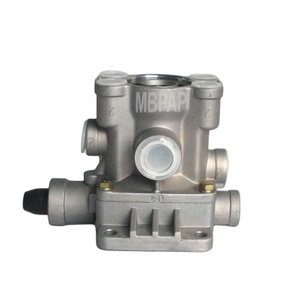
Save freight costs by combining flywheels, air brake valves, wheel hubs, brake chambers, and suspension links into single LCL or FCL container shipments directly to Colombo.
Clear, direct technical and commercial answers addressing common import procedures, testing standards, and order fulfillment terms.
To avoid costly customs delays and wrong-part deliveries at Colombo port, our engineering desk cross-references your inquiry using OEM part numbers, engine codes (e.g., OM501, D13, D20), bolt-circle PCD dimensions, center pilot bore diameter, and friction step-depth measurements. We share certified technical line drawings for physical dimensional verification before initiating foundry casting or final machining runs.
Every export crate comes complete with a Certificate of Conformity (CE), raw material batch test certificates verifying nodular or gray iron tensile strength and Brinell Hardness (HBW), plus ISO 1940-1 dynamic balancing certificates. These documents meet Sri Lanka Customs clearance specifications and Department of Motor Traffic import compliance requirements.
Ocean transit across the Indian Ocean exposes parts to salt-fog environments and high ambient humidity. All machined friction surfaces, dowel holes, and starter ring teeth receive heavy VCI (Vapor Corrosion Inhibitor) chemical treatments, shrink-sealed protective wrapping, and are packed into reinforced, heat-treated ISPM-15 export wooden crates to prevent surface oxidation upon arrival.
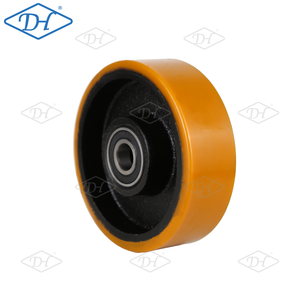
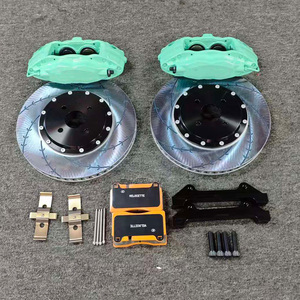
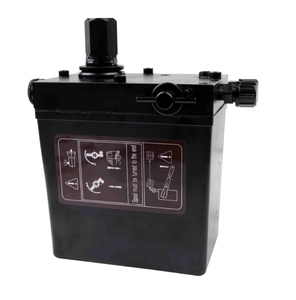
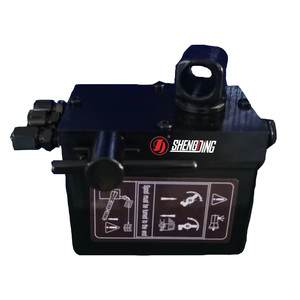
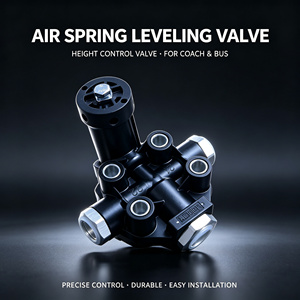
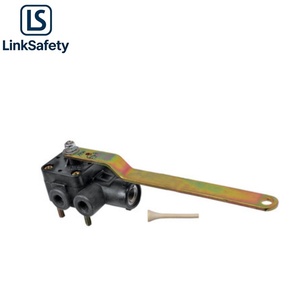
Yes. Commercial vehicle parts distributors in Panchikawatta and regional logistics hubs regularly combine heavy items (flywheels, brake discs, wheel hubs) with lighter air brake valves, leveling valves, cabin tilt pumps, and polyurethane rollers in single LCL/FCL containers to balance container weight limits and lower per-unit shipping overheads.
We support FOB (Ambarli / Gemlik Ports, Türkiye), CIF Colombo, and CFR terms. Payment structures can be coordinated via Irrevocable Letters of Credit (L/C at sight) or Telegraphic Transfer (T/T) according to prevailing Central Bank of Sri Lanka (CBSL) foreign exchange import regulations.