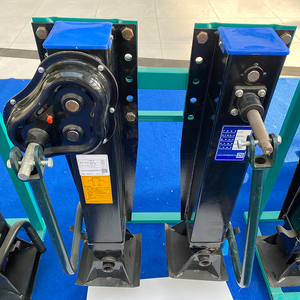

Explore our top-tier commercial vehicle assemblies, landing systems, pneumatic valves, and chassis hardware certified for demanding operating environments worldwide.
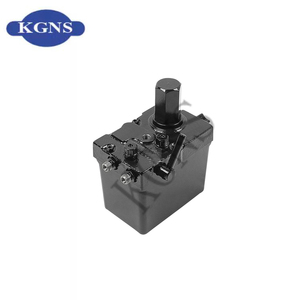
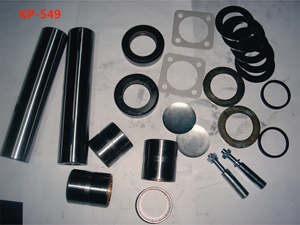
In commercial vehicle drivetrain engineering, the clutch pressure plate acts as the critical mechanical interface determining power transfer efficiency, thermal dissipation, and torsional vibration dampening.
Premium exporters utilize HT250 / GG25 Grey Cast Iron with high pearlitic grain structures. This composition delivers an optimal thermal conductivity coefficient (>45 W/m·K) to prevent thermal crazing and cracking under repeated high-load starts common in Mercedes Actros, Volvo FH, and Scania haulage fleets.
The core failure point of sub-tier pressure plates is load decay in the diaphragm spring. Advanced Chinese manufacturing lines employ 50Mn or 60Si2Mn spring steel subjected to precision isothermal quenching. This guarantees clamping force retention above 95% across 1,000,000 actuation cycles without finger tip taper deformation.
Every high-performance pressure plate assembly must undergo dual-plane dynamic balancing within G6.3 ISO 1940 standards. Planarity across the friction contact ring must not exceed 0.05 mm, eliminating drivetrain shudder, clutch slip, and premature input shaft bearing failure on long-haul transport corridors.
Understanding how procurement patterns, dual-source supply chains, and digital cross-referencing platforms are transforming fleet component purchasing from China.
Modern B2B importers are shifting away from single-component purchases. By consolidating clutch pressure plates, clutch servos, throwout bearings, and flywheels into single 40ft HQ containers, procurement teams reduce landed container freight costs by up to 28%.
Top exporters now maintain algorithmic cross-index engines linking OE numbers (e.g., Sachs, Valeo, LuK, Mercedes-Benz, MAN, DAF) directly to factory production codes, cutting sourcing inquiry lead times from days down to minutes.
With evolving global tariff frameworks, international buyers favor tier-1 export desks offering multi-regional hub dispatch, A.TR documentation, Form E, or Certificate of Origin validation to facilitate swift customs clearance at destination ports.
Aftermarket brand owners require individualized packaging, custom rust-preventative VCI wrap, laser-etched batch serial numbers, and palletization configured specifically for high-bay automated distribution centers.
A look into next-generation automated casting, laser surface induction, and automated dynamic test benches driving China's export capabilities.
As modern heavy-duty commercial fleets demand longer service intervals, SAC mechanisms compensate automatically for friction lining wear. This guarantees constant pedal effort and consistent diaphragm spring deflection angles across the entire 400,000+ kilometer lifecycle of the clutch pack.
High-speed 5-axis CNC turning centers achieve flat-ground tolerances under 15 microns. Diaphragm spring release finger tips receive localized high-frequency induction hardening reaching HRC 52–58, preventing catastrophic wear caused by release bearing contact under extreme clutch engagement loads.
Next-generation clutch cover pressings utilize deep-drawn high-tensile alloy sheets or ductile iron frames. This decreases rotating rotational inertia by up to 14%, resulting in faster gear synchronization, reduced synchromesh wear in manual/automated manual transmissions (AMT), and measurable fuel savings.
Combining manufacturing ecosystem integration, multilingual technical verification, and hands-on international foreign trade execution.
Direct access to world-class casting foundries, stamping facilities, and specialized automotive supplier ecosystems, delivering short production lead paths and consistent metallurgical stability.
Structured coding systematically verified against OEM reference dimensions, bolt PCD patterns, release bearing contact diameters, and engine torque ratings to guarantee 100% first-time fitment.
Direct communication in English, German, French, and Turkish. Technical inquiries are reviewed by professionals who understand commercial vehicle engineering and logistics requirements.
Backed by nearly a decade of international freight, export documentation, and supply chain management experience, ensuring sea, rail, and multimodal orders arrive strictly as promised.
Practical insights on verification, metallurgical specifications, batch testing, minimum order quantities, and export customs handling.
Submit your target OEM numbers, drawing parameters, or fleet replenishment schedule. Our drivetrain engineering and international export desk will prepare a verified technical quote and logistics routing plan within 24 hours.