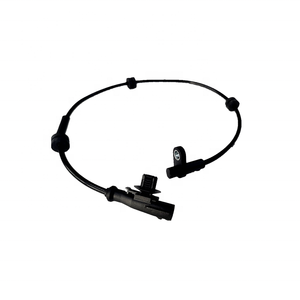

Direct from Bursa's automotive manufacturing hub. High-integrity components cross-referenced with exact OEM fitment standards for long-haul trucks, semi-trailers, and heavy tractors.
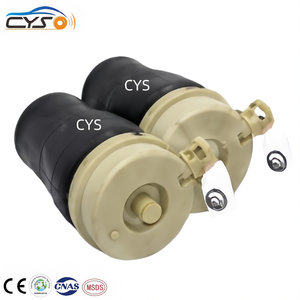
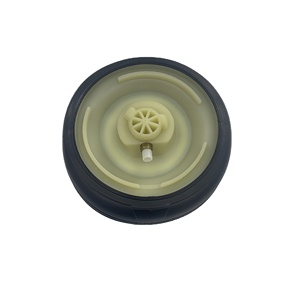
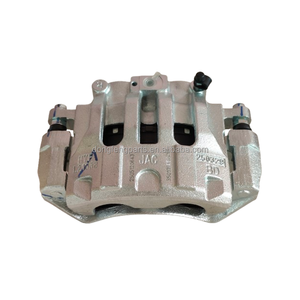
A technical whitepaper overview detailing metallurgical formulations, microstructural density, and precision friction surfaces required for severe-duty commercial transport applications.
Production begins in medium-frequency induction furnaces utilizing strictly calibrated charges of pig iron, high-grade steel scrap, and specialized inoculants. The chemistry targets SAE J431 G3000 and ISO 185 / Grade 250 grey cast iron specifications. Maintaining carbon equivalents (CE) between 3.9% and 4.15% ensures fully developed Type-A flake graphite (size 4 to 6 according to ASTM A247 standards). This lamellar graphite matrix confers superior thermal conductivity, rapid heat transfer away from the brake lining interface, and internal acoustic dampening to suppress high-frequency brake squeal under sustained deceleration.
Dimensional repeatability across OEM brake drum runs relies on high-pressure flaskless green sand molding lines (such as DISAMATIC systems). Mold hardness values exceeding 90 to 95 Shore units prevent mold wall movement during pouring at 1,380°C to 1,420°C, virtually eliminating casting swells, parting line shifts, and internal shrinkage porosity. Automated thermal sand reconditioning controls bentonite clay activation, moisture content (kept tightly between 2.8% and 3.2%), and mold gas permeability, safeguarding against gas blowholes or subsurface inclusions that compromise structural hoop strength.
Castings pass through continuous shot-blasting before entering multi-axis twin-spindle vertical turning lathes (VTL). In a single chucking operation, the hub pilot bore, bolt hole pitch circles (PCD), and internal friction braking track are machined to achieve absolute concentricity. Total radial runout (TIR) is held strictly under 0.05 mm. Every unit undergoes automated two-plane dynamic balancing, milling peripheral counter-mass areas to restrict unbalance within ISO 1940 Grade G16 tolerances, preventing high-speed driveline vibration, uneven tire wear, and premature hub bearing fatigue.
| Property Parameter | OEM Standard Specification | Test Methodology | Operational Function |
|---|---|---|---|
| Tensile Strength (Rm) | ≥ 250 N/mm² (250 - 300 MPa) | ASTM E8M / ISO 6892 | Prevents drum bell-mouthing & bursting under maximum pneumatic wedge chamber pressures. |
| Brinell Hardness (HBW) | 187 – 241 HBW (10/3000) | ASTM E10 / ISO 6506 | Optimizes friction wear rate without causing aggressive abrasion or heat checking on brake linings. |
| Matrix Microstructure | Fully Pearlitic (≥ 95%), Free Ferrite ≤ 5% | ASTM E3 Metallographic Etch | Maintains mechanical stability, high shear resistance, and structural stiffness at elevated temperatures. |
| Friction Surface Roughness | Ra 1.6 – 3.2 µm | ISO 4287 Stylus Profilometry | Ensures short bedding-in cycles and stable friction coefficients (μ = 0.36 - 0.42) with non-asbestos linings. |
| Thermal Shock Resistance | ≥ 500 Severe Deceleration Cycles (600°C) | Inertia Dynamometer Testing | Resists through-wall fatigue cracking caused by severe mountain descent cycles and emergency stops. |
Comprehensive market projections for fleet procurement directors, tier-1 suppliers, and independent aftermarket distributors navigating regulatory, environmental, and duty-cycle evolution.
Fleet operators are aggressively evaluating tare weight reduction to optimize freight payload margins and comply with stringent CO2 emissions thresholds. Traditional solid cast iron drums often account for up to 300-350 kg per tandem-axle trailer group. Emerging procurement orders increasingly specify optimized finite element analysis (FEA) ribbed geometries and composite bimetallic designs—combining centrifugal cast iron friction liners bonded within high-tensile pressed steel outer jackets. This architecture slashes unsprung wheel-end mass by 18% to 22% while retaining the robust thermal heat sink properties intrinsic to cast iron.
With forthcoming Euro 7 standards directly regulating brake wear particulate matter (PM10 and PM2.5 emissions), commercial braking procurement is pivoting toward closed and semi-enclosed drum architectures for severe and off-highway service. Enclosed drum foundations naturally contain friction dust debris compared to open ventilated disc calipers. Modern custom OEM foundries are actively developing specialized anti-corrosion outer barrier coatings (such as Geomet, Dacromet, or electrostatically applied zinc flake polymers) that withstand 1,000+ hours of ASTM B117 salt spray exposure without degraded heat dissipation.
Global supply chain disruptions have exposed the vulnerabilities of long maritime transit corridors. European and North American commercial vehicle assemblers are rapidly rebalancing their procurement footprints toward near-shoring powerhouses, notably Türkiye's automotive cluster in Bursa. Benefiting from the EU–Türkiye Customs Union, zero customs tariffs via A.TR transit certificates, and overland truck delivery windows under 5 to 7 days across continental Europe, Bursa manufacturers provide unmatched resilience, lower minimum batch runs, and superior response times for volatile spare part surges.
Combining the robust manufacturing ecosystem of Bursa, Türkiye with founder-led international logistics, stringent OEM cross-referencing, and single-source consolidated delivery.
Situated in Nilüfer, Bursa—the heart of Türkiye’s commercial automotive foundry and machining ecosystem—granting direct, rapid factory-floor access to heavy casting facilities, heat treatment yards, and certified test laboratories.
Seamless execution of international export documentation: Commercial Invoices, Packing Lists, Certificates of Origin, EUR.1, and A.TR movement certificates for duty-free entry into the European Union under customs union agreements.
Eliminate multiple supplier overheads. Consolidate heavy brake drums, air processing valves, air spring bellows, brake chambers, and wheel hub assemblies into single, balanced container shipments or full truckloads (FTL).
Founder-led direct commercial operations communicating natively in English, Turkish, German, and French, ensuring technical drawing dimensions, tolerance callouts, and tender requirements are executed without translation failure.
Detailed technical, commercial, and metallurgical answers addressing the core concerns of automotive purchasing managers and fleet maintenance engineers.
Connect directly with our Bursa-based technical engineering and export desk. Send your OEM part numbers, 2D/3D technical drawings, or target fleet specifications for rapid evaluation and quoting.
Contact Us