0%

Choosing the 2026 best Automatic Slack Adjusters requires more than comparing prices or brand names. Fleet managers should examine brake chamber compatibility, adjustment range, corrosion resistance, and service history. A reliable adjuster should maintain correct brake clearance during demanding routes. That means fewer roadside inspections, steadier braking response, and more predictable maintenance.

Fred Andersky, a respected commercial vehicle braking specialist, offers a practical reminder: “Consistent brake adjustment is essential to maintaining stopping performance.” His point remains relevant for modern fleets. The best Automatic Slack Adjusters should work consistently beside worn drums, changing loads, road salt, and frequent stop-and-go driving. Small differences matter. A few millimeters of excess travel can signal a larger maintenance problem.

This guide compares leading options for trucks, trailers, buses, and vocational vehicles in 2026. It considers durability, installation quality, lubrication needs, adjustment consistency, and real-world fleet feedback. Laboratory results help, but they cannot describe every muddy yard or steep delivery route. That is where selection becomes less certain. A premium model may not suit every axle configuration, and an inexpensive model may create more maintenance work later.

The following evaluation focuses on practical performance rather than marketing claims. It also recognizes an uncomfortable truth: even the best Automatic Slack Adjusters cannot correct neglected brake systems. Proper inspection, compatible installation, and trained technicians still decide the final result.
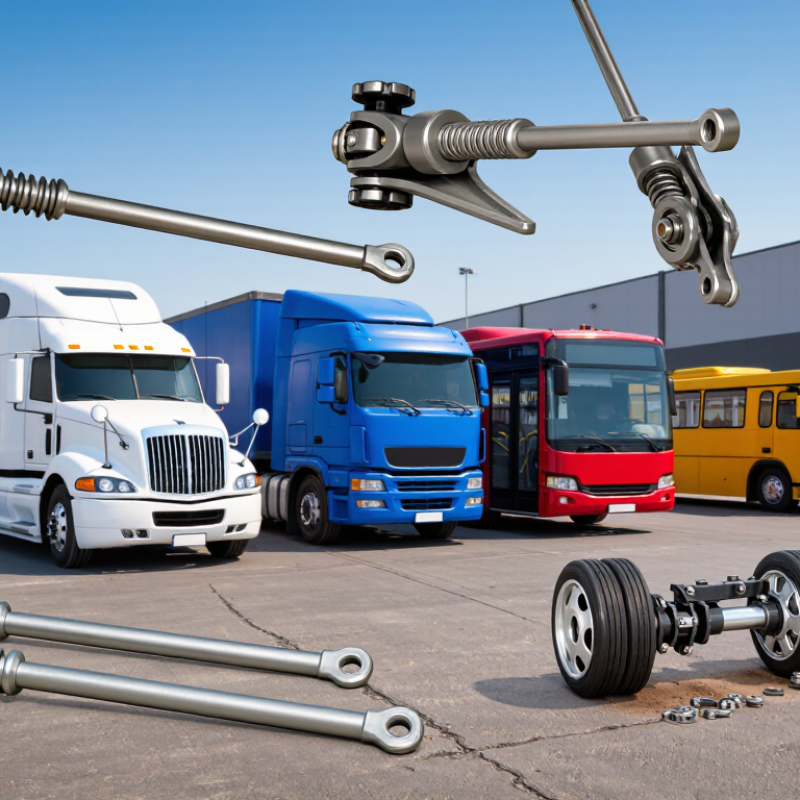
What Are the 2026 Best Automatic Slack Adjusters?

What Are Automatic Slack Adjusters and How Do They Work?

Automatic slack adjusters connect an air-brake chamber’s pushrod to the S-cam. When air pressure moves the pushrod, the adjuster rotates the cam and presses the brake shoes against the drum. Its internal mechanism measures excess travel and gradually restores the correct clearance after repeated applications. The process is mechanical, not intelligent.

The detail matters. Proper adjustment keeps pedal response consistent and reduces wasted chamber stroke. A poorly installed adjuster can still look normal while allowing excessive pushrod travel. Federal requirements under 49 CFR §393.47 address brake adjustment, while FMVSS No. 121 establishes performance requirements for air-brake systems. These rules support inspection, but they do not replace it.

CVSA’s 2024 International Roadcheck reported brake-system defects as 25.2% of vehicle out-of-service violations. That figure shows why adjustment deserves practical attention. During a workshop inspection, technicians should measure pushrod stroke, check mounting geometry, inspect clevis pins, and confirm the adjuster matches the brake system. Do not simply force the arm backward and call it fixed. It may hide a worn chamber, damaged camshaft, or incorrect installation. They are not magic. Some maintenance decisions remain judgment calls, and even experienced technicians can miss gradual wear without recorded measurements.

Which Features Define the Best Automatic Slack Adjusters in 2026?

The best automatic slack adjusters in 2026 are defined by controlled movement, accurate brake clearance, and dependable performance under harsh conditions. They should maintain proper pushrod travel without constant manual correction. In field inspections, technicians often check this movement with a calibrated stroke gauge.

Load capacity matters. So does durability.

A strong adjuster uses corrosion-resistant materials, sealed components, and precise internal gearing. These details help protect performance against road salt, dust, vibration, and repeated heat cycles.

The adjustment mechanism should respond smoothly, not suddenly. Excessive resistance can signal contamination, wear, or poor installation. Clear compatibility data is also essential, including spline dimensions, arm position, mounting geometry, and brake chamber requirements.

Installation quality still controls the result. Even the most advanced design can perform poorly when the angle is wrong or the linkage is loose. I have seen small alignment errors create uneven lining wear and longer stopping distances. That practical detail is easy to overlook. It deserves more attention.

Reliable products should include measurable service guidance, traceable quality testing, and instructions written for real workshop conditions. Independent testing can support claims about fatigue life, sealing, and adjustment accuracy. However, laboratory results do not replace inspections in mud, rain, and heavy traffic. A useful design allows technicians to verify operation quickly. It should also reveal wear before braking performance changes noticeably. Perfect maintenance is unrealistic, but preventable adjustment errors should not be.

How to Compare Automatic Slack Adjusters for Different Brake Systems

What Are the 2026 Best Automatic Slack Adjusters?

Choosing the best automatic slack adjuster starts with the brake system, not the product label. S-cam drum brakes require adjusters matched to chamber type, spline size, arm length, and rotation direction. Wedge and air disc systems use different adjustment designs. Do not assume one part fits every axle.

Compare the adjuster’s rated torque with the vehicle’s axle load and operating conditions. Check the clevis position, pushrod length, and available mounting space. A correct fit should maintain consistent brake travel without forcing the chamber beyond its designed stroke. Fit matters more. Always follow the axle and brake manufacturer’s service data.

In workshop inspections, I would measure pushrod stroke with the brakes fully applied at the specified air pressure. I would also inspect the clevis pin, bushings, S-cam, and chamber for wear. A new adjuster cannot correct a bent bracket or a seized camshaft. That is not enough. Installation quality matters, too. Lubrication requirements differ, and over-lubrication can attract abrasive dust. Keep records of measurements before and after installation. I have learned that a quick visual check can miss gradual brake imbalance, especially on heavily loaded vehicles. Recheck the system after service and investigate any uneven wheel-end performance.

What Are the 2026 Best Automatic Slack Adjusters? — How to Compare Automatic Slack Adjusters for Different Brake Systems
Automatic Slack Adjuster Category Recommended Brake System Typical Brake Chamber Size Common Spline Configuration Typical Slack Length Typical Operating Stroke Adjustment Mechanism Main Advantages Important Selection Checks Overall Suitability
Heavy-Duty Standard Conventional S-cam drum brakes on highway tractors and trailers Type 24, Type 30, and Type 30 long-stroke chambers Usually 1.25-inch, 10-spline; verify the camshaft specification 5.5 to 6.5 inches Approximately 2.0 to 2.5 inches Wear-compensating clutch with manual inspection and reset provisions Broad application range, durable construction, and straightforward service procedures Measure the clevis-to-spline distance, confirm chamber stroke, and match the installation angle Excellent for general fleet use
Long-Stroke Compatible S-cam systems using long-stroke service chambers Type 24 long-stroke and Type 30 long-stroke chambers Commonly 1.25-inch, 10-spline; some axles use other spline sizes 6.0 to 7.5 inches Approximately 2.5 to 3.0 inches Automatic wear adjustment designed for increased chamber travel Helps preserve brake performance where longer permitted stroke is required Do not substitute for a standard-stroke adjuster; verify the chamber label and manufacturer stroke limit Best for long-stroke drum applications
Trailer-Oriented Standard Non-steering trailer axles with S-cam drum brakes Type 16, Type 20, Type 24, or Type 30 chambers, depending on axle load Most commonly 1.25-inch, 10-spline 5.5 to 6.5 inches Approximately 2.0 to 2.5 inches Automatic adjustment with corrosion-resistant external components Suitable for high mileage, exposure to road spray, and routine trailer interchange Check axle capacity, chamber orientation, clevis style, and available clearance around the wheel end Strong choice for standard trailers
Severe-Service Vocational trucks, refuse vehicles, construction equipment, and off-road fleets Type 30, Type 36, and compatible spring-brake chambers Often 1.25-inch, 10-spline; heavy-duty axle variations must be verified 6.0 to 7.5 inches Approximately 2.5 to 3.0 inches High-load wear-adjusting clutch with reinforced body and sealing features Better resistance to shock loads, contamination, frequent braking, and high thermal demand Confirm torque capacity, mounting geometry, environmental sealing, and brake balance across the axle Best for demanding operating conditions
Compact Packaging Axles with restricted clearance near suspension, wheels, or air chambers Type 16, Type 20, or Type 24 chambers Usually 1.25-inch, 10-spline; confirm spline depth and offset 4.5 to 6.0 inches Approximately 2.0 to 2.5 inches Automatic adjustment in a shorter or offset housing Improves fit where a conventional body or arm would interfere with nearby components Compare body width, arm offset, clevis position, and minimum operating clearance through full suspension travel Best where installation space is limited
Balanced-Axle Service Drive or trailer axles requiring consistent left-to-right brake adjustment Type 24, Type 30, and equivalent spring-brake configurations Typically 1.25-inch, 10-spline; axle-specific variants are common 5.5 to 7.0 inches Approximately 2.0 to 3.0 inches Self-adjusting mechanism calibrated for repeatable angular movement Supports more uniform pushrod travel and helps reduce uneven lining wear Install matching adjusters as an axle set and verify the same arm geometry on both sides Best for consistent axle braking
Corrosion-Resistant Coastal, winter-road, wet, salted, or wash-down operating environments Type 20, Type 24, Type 30, and selected long-stroke chambers Commonly 1.25-inch, 10-spline; confirm material and coating compatibility 5.5 to 7.5 inches Approximately 2.0 to 3.0 inches Sealed or protected adjustment components with coated external surfaces Reduces contamination-related wear and helps maintain adjustment reliability Look for sealed adjustment parts, protected fasteners, drainage, and compatibility with the axle’s lubrication method Best for wet or corrosive service
Replacement-Match Type Repair work where the original adjuster geometry must be retained Match the existing chamber type and rated stroke Must match spline diameter, spline count, and camshaft engagement depth Match the removed component precisely Match the chamber and brake manufacturer limits Same adjustment direction and arm configuration as the removed unit Minimizes fitment risk and preserves the original brake design Use the axle and brake identification data rather than relying only on visual similarity Best for direct replacement projects
Selection rule: An automatic slack adjuster should be selected by brake-system design, chamber stroke, spline dimensions, arm length, clevis geometry, installation angle, and axle clearance—not by appearance alone.
The dimensions shown are common industry ranges for comparison. Always confirm the vehicle or axle manufacturer’s service data, chamber stroke limit, mounting geometry, and applicable regulatory requirements before installation.

How to Choose the Right Automatic Slack Adjuster for Your Vehicle

What Are the 2026 Best Automatic Slack Adjusters?

How to Choose the Right Automatic Slack Adjuster for Your Vehicle

Choosing an automatic slack adjuster starts with the vehicle, not the product label. Check the axle type, brake chamber size, spline count, and available mounting space. The adjuster must match the brake system’s geometry. A small mismatch can create uneven shoe contact or excessive pushrod travel.

Review the vehicle manufacturer’s specifications and service records. Confirm the required arm length, rotation direction, and clearance around suspension parts. Heavy-load vehicles often need a more durable design than regional delivery trucks. Examine the adjuster’s construction, seals, lubrication points, and corrosion protection. These details matter when roads are wet, dusty, or salted.

Installation quality is equally important. A qualified technician should verify pushrod length, brake timing, and correct torque. After installation, measure brake stroke with the brakes released and applied. Do not rely only on a visual check. I once treated a small clearance issue as harmless, but vibration made it worse over time. That mistake reinforced a simple lesson: specifications deserve more trust than assumptions. Regular inspections can reveal wear before braking performance changes. Still, no automatic adjuster can correct damaged drums, worn bushings, or a faulty chamber.

What Are the 2026 Best Automatic Slack Adjusters?

How to choose the right automatic slack adjuster for your vehicle: match the adjuster to the brake chamber size, spline configuration, installation geometry, and required pushrod stroke. The chart shows the maximum allowable pushrod stroke for common standard-stroke service brake chambers under U.S. FMVSS 121 reference values.

A higher stroke limit does not automatically indicate a better slack adjuster. Select an automatic slack adjuster that matches the chamber type and stroke rating specified by the vehicle manufacturer, then verify spline size, arm length, clevis position, rotation direction, and installation angle. Always confirm the applicable local regulations and service manual before replacement.

How to Install, Inspect, and Maintain an Automatic Slack Adjuster

Installing an automatic slack adjuster demands accurate matching and careful preparation. Confirm the adjuster’s arm length, spline size, rotation, and mounting position against the axle service manual. Chock the wheels, release stored air pressure, and wear eye protection before working near the brake assembly. Remove the old unit without forcing the clevis pin or damaging the pushrod threads. Set the new adjuster at the manufacturer’s specified angle. A small error here can reduce braking efficiency.

After installation, check that the clevis pin, lock nuts, and retaining hardware are secure. Apply approved lubricant only where the service instructions allow it. Do not treat manual readjustment as a permanent repair. Excessive pushrod travel may indicate worn bushings, a damaged camshaft, incorrect geometry, or an air system problem. Inspect for cracks, seized movement, uneven brake lining wear, and loose fasteners. Measure pushrod stroke with the brakes released and applied, using the vehicle’s specified limits. Record the result.

Look closely.

Maintenance intervals vary by vehicle and operating conditions. Mud, road salt, heavy loads, and frequent braking can accelerate wear. A clean inspection may still miss internal damage, so unusual brake pull, heat, or noise deserves professional testing. One practical lesson is easy to overlook: replacing the adjuster alone may not correct the real fault. Verify the complete foundation brake system before returning the vehicle to service.

FAQS

What features define a high-quality automatic slack adjuster?

It should control pushrod movement and maintain accurate brake clearance. Sealed parts, corrosion-resistant materials, and precise gearing support long service. No design is perfect.

How can I check whether an adjuster fits my vehicle?

Confirm axle type, brake chamber size, spline count, arm length, and mounting space. Check rotation direction and suspension clearance. Small mismatches can cause uneven shoe contact.

Why does load capacity matter?

Heavy-load vehicles create greater braking stress and repeated heat cycles. Their adjusters need stronger construction and dependable internal movement. Regional vehicles may require less capacity.

What environmental conditions should the adjuster withstand?

Look for protection against road salt, dust, vibration, moisture, and heat. Sealed components help keep contamination away from internal gears. Mud remains a concern.

How does installation affect braking performance?

Incorrect angles, loose linkages, or wrong torque can disturb brake timing. A qualified technician should check pushrod length and mounting alignment. Installation is not a minor detail.

How should brake stroke be measured after installation?

Measure pushrod travel with the brakes released and applied. Use a calibrated stroke gauge when available. Do not depend only on visual inspection.

Can an automatic slack adjuster fix every brake problem?

No. It cannot repair damaged drums, worn bushings, faulty chambers, or incorrect geometry. An adjuster may appear functional while another component deteriorates.

What maintenance signs suggest an adjuster needs attention?

Excessive resistance, unusual travel, uneven lining wear, or changing brake clearance deserve inspection. Corrosion and loose connections also matter. Small symptoms can grow.

What information should reliable product documentation include?

It should list compatibility data, torque guidance, service limits, and installation steps. Traceable testing can support claims about sealing and fatigue life. Laboratory results are not field proof.

Conclusion

Automatic Slack Adjusters are essential components of modern air-brake systems because they help maintain the correct distance between brake shoes and drums as friction materials wear. By automatically compensating for normal wear, they support consistent braking performance, reduce unnecessary manual adjustments, and improve inspection efficiency. The best models in 2026 are defined by accurate adjustment control, durable construction, reliable operation in demanding conditions, and compatibility with the vehicle’s braking design.

Choosing the right Automatic Slack Adjusters requires comparing arm length, spline configuration, operating range, load capacity, and suitability for different brake systems. Vehicle specifications and axle requirements should always guide selection. Proper installation is equally important: technicians should confirm alignment, secure all connections, and verify brake movement after fitting. Regular inspections should check for excessive play, damage, corrosion, or adjustment problems. Routine cleaning, lubrication where appropriate, and functional testing can help extend service life and support safe, dependable braking.

Alexander

Alexander

Alexander is a professional marketing specialist dedicated to helping businesses understand complex products, recognize meaningful opportunities, and make confident decisions. With extensive knowledge of the company’s solutions, market positioning, and customer needs, he combines strategic thinking......