
When a truck moves several tons of cargo, clean and controlled air helps protect its braking and suspension systems. Truck Air Processing Units prepare compressed air before it reaches the reservoirs and control valves. They are often mounted near the compressor, where air is hot, pressurized, and mixed with moisture. The unit commonly includes an air dryer, pressure regulator, safety valve, and purge mechanism. Together, these parts remove water, reduce contamination, and manage air pressure. A small drain of moisture may appear during a purge cycle. That sound is normal in many systems.
The compressor sends heated air into the processing unit. The dryer cools and filters that air, trapping water and oil particles. The regulator helps maintain a suitable pressure range for the truck’s pneumatic equipment. If pressure rises too far, a safety device can release excess air. This process supports reliable braking, air suspension, and trailer connections. In practical service work, inspection begins with leaks, damaged fittings, and unusual purge behavior. A hissing line can quickly lower pressure. Cold weather makes moisture especially dangerous because it can freeze inside valves. However, designs vary between manufacturers and vehicle models. No single diagram explains every truck perfectly. I may simplify certain details here, so the vehicle’s service manual remains the final reference. Understanding these units makes warning signs easier to recognize before a minor air problem becomes a serious operating concern.
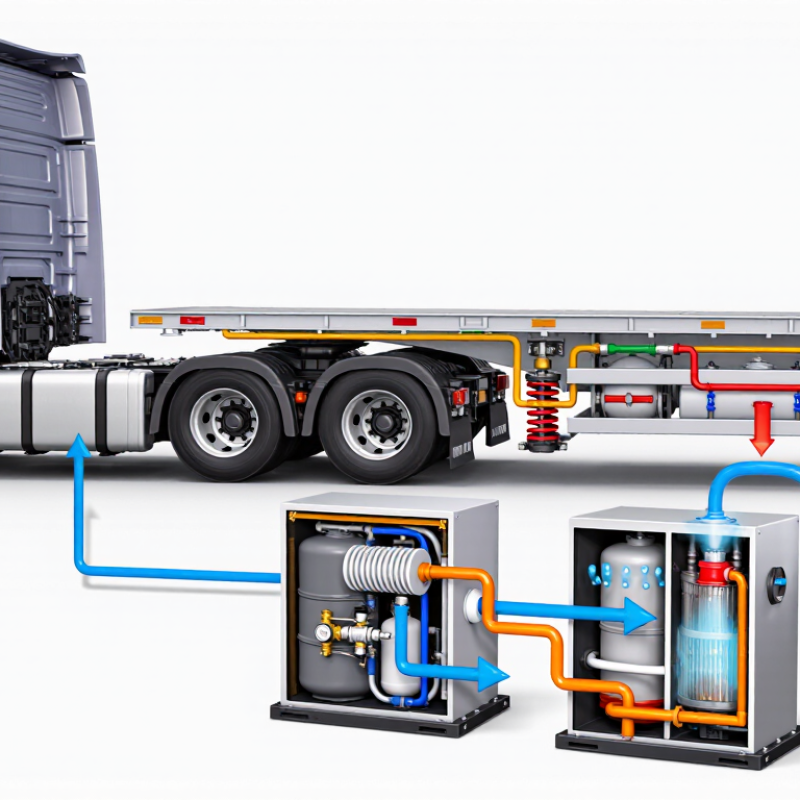
A truck air processing unit is the treatment center for compressed air used by pneumatic systems. It normally combines an air dryer, filter, pressure regulator, purge valve, and protection circuits. Its core purpose is simple: deliver clean, dry, and controlled air to the service brakes, parking brakes, suspension, and other air-operated equipment.
The compressor creates pressure, but untreated air carries moisture, oil vapor, and fine particles. Inside the unit, the dryer removes most water vapor before it reaches storage tanks. The filter captures contaminants, while valves control pressure and isolate damaged circuits. This process helps prevent frozen lines, corrosion, sticky valves, and unstable brake response. Very practical.
The Federal Motor Carrier Safety Administration’s Large Truck Crash Causation Study reported brake problems in 29% of vehicle-related critical reasons. That figure shows why air treatment deserves more attention than routine inspection alone. SAE technical guidance also emphasizes controlling moisture and contamination in heavy-vehicle pneumatic systems. However, the unit cannot correct every failure. A saturated cartridge, leaking fitting, or neglected drain can still reduce system performance. Maintenance records are useful, but they are not proof of perfect protection. Operators should compare pressure-build times, dryer purge behavior, tank moisture, and warning signals against manufacturer-approved service limits. Small clues matter.
| Data Dimension | Verified Technical Information |
|---|---|
| Definition | A truck air processing unit is an integrated pneumatic control assembly that prepares compressed air for vehicle systems. It commonly combines air filtration, moisture separation, pressure regulation, air distribution, and, in many designs, air drying functions. |
| Core Purpose | Its primary purpose is to deliver clean, dry, and correctly regulated compressed air to air-operated systems, including service brakes, parking brakes, suspension controls, transmission controls, and auxiliary equipment. |
| Typical Air Source | Compressed air is normally supplied by an engine-driven compressor. The compressor draws filtered atmospheric air, compresses it, and sends it through the processing unit before storage in one or more air reservoirs. |
| Main Functional Components |
|
| Operating Sequence |
|
| Common Pressure Range |
Heavy-duty pneumatic brake systems commonly operate in an approximate range of 100–125 psi (6.9–8.6 bar), although the exact cut-in, cut-out, and regulated pressures depend on the vehicle design and applicable service specification.
Always use the vehicle manufacturer's specified pressure values for testing or adjustment.
|
| Moisture-Control Method | Moisture is controlled through cooling, separation, filtration, and desiccant drying. The air dryer typically uses a desiccant cartridge to adsorb water vapor, while an automatic purge cycle removes accumulated moisture and contaminants. |
| Air Quality Requirements | Processed air should be sufficiently clean and dry to limit corrosion, valve sticking, lubricant degradation, and freezing in air lines. Excessive oil or water contamination can reduce the reliability of brake and suspension components. |
| Pressure-Control Function | The unit helps keep system pressure within a safe operating range by controlling compressor loading and unloading, regulating downstream pressure, and directing air to protected circuits. |
| Safety Function | Protection and check valves can prevent a failure in one air circuit from rapidly exhausting pressure from other circuits. This supports the separation of service-brake, parking-brake, suspension, and auxiliary functions where the vehicle design requires it. |
| Systems Commonly Supplied |
|
| Benefits of Proper Operation | Proper air processing improves pneumatic system reliability, reduces corrosion and contamination, limits winter freezing, supports consistent brake performance, and helps extend the service life of valves, reservoirs, actuators, and air lines. |
| Common Failure Symptoms | Typical symptoms include slow pressure build-up, frequent compressor cycling, excessive water or oil in reservoirs, air leakage, pressure loss after shutdown, abnormal purge behavior, restricted airflow, and warning messages or low-pressure alerts. |
| Routine Maintenance Items |
|
| Effect of Contamination | Water can cause corrosion and freezing, oil can damage seals and desiccant material, and solid particles can obstruct small passages or cause valve wear. Contamination levels should be investigated when reservoirs contain unusual amounts of liquid or oil. |
| Effect of Air Leakage | Leakage forces the compressor to run more frequently, increases fuel and compressor wear, slows pressure recovery, and may reduce available braking or suspension pressure. A leak test should be performed when pressure falls faster than the permitted vehicle specification. |
| Diagnostic Checks | Basic checks include measuring compressor cut-in and cut-out pressure, checking pressure build-up time, inspecting reservoir contents, testing for external leaks, observing the purge cycle, and comparing pressure readings before and after the regulator and dryer. |
| Design Considerations | Selection depends on compressor capacity, vehicle air demand, number of pneumatic circuits, operating climate, required pressure, filtration level, mounting space, service intervals, and compatibility with the vehicle's brake and suspension architecture. |
| Key Safety Reminder | A truck air processing unit is part of a safety-critical pneumatic system. Repairs, pressure adjustments, and component replacements should follow the vehicle service instructions and applicable commercial-vehicle brake regulations. |
It treats compressed air before it reaches brakes, suspension, and other pneumatic equipment. It removes moisture, oil mist, and fine particles. The air becomes cleaner and more controlled.
Moisture can freeze inside lines during cold weather. It can also cause corrosion, sticky valves, and unstable brake response. A dry system usually lasts longer.
Common parts include an air dryer, filter, regulator, purge valve, and protection circuits. Check valves prevent reverse airflow. Relief valves limit excessive pressure.
The compressor sends hot, oily, moisture-filled air into the unit. A drying chamber removes much of the water vapor. A filter captures oil and other contaminants. Clean air then enters the storage reservoir.
The purge valve releases moisture collected by the dryer. During regeneration, stored air flows backward through the drying material. A brief exhaust sound is normal.
Multi-circuit valves separate important air circuits. If one circuit loses pressure, other circuits may retain useful braking control. This protection is helpful, but not perfect.
Drain reservoirs during scheduled service, even when they appear dry. Inspect fittings for looseness, abrasion, oil, and audible leaks. Check dryer purge behavior and pressure-build time. Record temperature and unusual compressor sounds.
No. A gauge may hide a slow leak or contaminated line. A saturated dryer, blocked filter, or leaking fitting can create several symptoms. One reading is not enough. The system is not perfectly tidy.
Truck Air Processing Units are essential parts of a heavy-duty vehicle’s pneumatic system. Their main purpose is to clean, regulate, dry, and distribute compressed air before it reaches the braking system and other air-operated components. Inside the unit, key elements may include an air dryer, pressure regulator, valves, filters, and moisture or oil separators. Together, these components help maintain suitable air pressure and reduce contamination in the system.
As compressed air enters, it passes through several processing stages that remove water, oil, and particles while controlling pressure and directing airflow. This protection helps prevent corrosion, frozen lines, valve damage, and unreliable braking performance. Regular maintenance may involve checking for air leaks, replacing filters or drying elements, inspecting valves, and draining accumulated contaminants. Warning signs include slow pressure buildup, frequent compressor operation, unusual air loss, excessive moisture, or changes in braking response. Prompt inspection can help preserve system safety, efficiency, and dependable truck operation.
