Choosing the right Truck Spring Brake Chambers can affect stopping confidence, maintenance time, and fleet operating costs. These components store mechanical energy and apply braking force when air pressure falls. Their role is critical during parking, emergency braking, and demanding downhill work. A weak chamber may show itself through slow brake release, uneven braking, or visible corrosion around the housing.
This guide examines ten widely respected options for different truck applications. It considers chamber size, diaphragm quality, clamp design, pushrod protection, mounting compatibility, and service support. Field experience matters here. A chamber that performs well on a clean test bench may struggle under road salt, gravel, vibration, and repeated heavy loading. We also consider installation details, including correct stroke length and secure air-line connections. Small errors can create expensive problems.
The list is not a universal ranking. Fleet age, axle configuration, climate, and maintenance practices change the best choice. That deserves attention. Product availability can also vary by region, and manufacturer claims should be checked against technical documents and real service records. We rely on established specifications, practical inspection points, and professional brake-system guidance. Still, no article replaces a qualified inspection.
Readers will find clear comparisons, strengths, limitations, and suitable use cases for each model. The goal is practical selection, not flashy marketing. Better decisions begin with accurate measurements. Safety comes first.
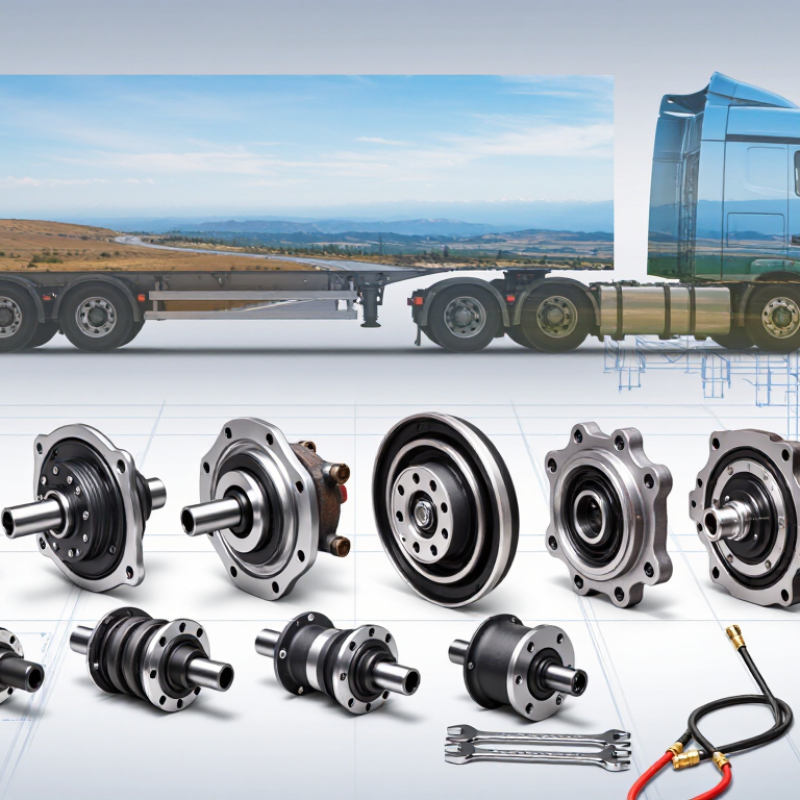
Truck spring brake chambers combine service braking and emergency parking control in one compact unit. A service-air section applies the brakes during normal pedal use. The spring section holds the vehicle when air pressure is lost. This design is intentionally fail-safe, but it is not maintenance-free.
When pressure enters the spring chamber, it compresses a powerful mechanical spring. The pushrod then releases the parking brake. With pressure removed, the spring expands and moves the pushrod through the slack adjuster. The adjuster turns the brake cam, pressing the shoes against the drum. On disc-brake systems, the actuator moves the caliper mechanism instead. The result depends on correct stroke, air pressure, seals, and adjustment.
CVSA’s 2024 International Roadcheck recorded brake-system violations in 12.7% of vehicle out-of-service findings. That figure gives fleet technicians a practical warning. Chamber inspection should include cracked housings, damaged mounting studs, air leakage, pushrod corrosion, and incorrect stroke. The Federal Motor Vehicle Safety Standard 121 also sets performance requirements for air-brake systems on heavy vehicles. A useful top-ten comparison should therefore examine chamber type, clamp design, spring force, corrosion resistance, service life, and replacement support. Field experience shows that a chamber can look clean yet leak near its diaphragm. Small leaks matter. I would not judge quality by appearance alone. Technicians should follow the vehicle maker’s procedure, cage the spring safely, and verify brake adjustment after installation.
Truck spring brake chambers combine a service-brake diaphragm with a mechanically applied parking and emergency brake spring. The table below compares widely used chamber configurations by nominal type, typical stroke, operating function, and common vehicle application. Exact fitment must always be confirmed against the vehicle manufacturer’s specifications and the original chamber.
| Rank | Spring Brake Chamber Type | Nominal Diaphragm Area | Typical Maximum Stroke | How It Works | Typical Applications | Selection Notes |
|---|---|---|---|---|---|---|
| 1 | Type 30 Standard | Approximately 30 in² | 2.25 in | Compressed air applies the service brake. When air is released, the stored-energy spring applies the parking or emergency brake. | Heavy-duty tractors, trailers, and vocational trucks with conventional air-brake systems. | One of the most common heavy-truck sizes; verify pushrod length, clamp orientation, and stroke requirements. |
| 2 | Type 24 Standard | Approximately 24 in² | 2.25 in | Service-air pressure moves the diaphragm and pushrod; spring force provides mechanical braking when the parking circuit is exhausted. | Medium- and heavy-duty trucks, buses, and many trailer axle installations. | A common balance between actuator size and available axle space. |
| 3 | Type 30 Long-Stroke | Approximately 30 in² | 3.00 in | The larger permitted service stroke allows additional pushrod travel while the spring section retains parking and emergency functions. | Heavy vehicles using drum brakes that require longer approved actuator travel. | Must replace a long-stroke chamber with the same approved stroke; it should not be substituted casually for a standard unit. |
| 4 | Type 20 Standard | Approximately 20 in² | 2.25 in | Air pressure creates service-brake force through the diaphragm, while a compressed coil spring applies the brake when control air is removed. | Medium-duty trucks, buses, and lighter axle positions. | Useful where a smaller actuator is adequate and chassis clearance is limited. |
| 5 | Type 24 Long-Stroke | Approximately 24 in² | 3.00 in | Provides the same basic dual-function operation as a standard type 24, with an approved longer service stroke. | Medium- and heavy-duty axles designed for long-stroke brake operation. | Confirm that the brake assembly, slack adjuster, and vehicle specification call for long stroke. |
| 6 | Type 16 Standard | Approximately 16 in² | 2.25 in | A smaller service diaphragm generates pushrod movement, and the spring section supplies parking and emergency application force. | Light- and medium-duty air-brake vehicles and selected trailer axle positions. | Check required braking torque and available mounting space before choosing a smaller chamber. |
| 7 | Type 36 Standard | Approximately 36 in² | 3.00 in | The large diaphragm area can produce substantial service-brake force; the powerful spring applies the brake without air pressure. | Specialized heavy-duty or high-capacity axle applications requiring a large actuator. | Requires adequate clearance and correctly matched brake hardware; installation should follow the axle manufacturer’s specifications. |
| 8 | Type 20 Long-Stroke | Approximately 20 in² | 3.00 in | Uses compressed air for normal braking and a mechanically stored spring for parking and emergency braking, with longer approved service travel. | Medium-duty vehicles and axles engineered for long-stroke operation. | The chamber type, stroke, and pushrod adjustment must match the complete brake system. |
| 9 | Type 16 Long-Stroke | Approximately 16 in² | 3.00 in | The service chamber allows longer diaphragm travel while the spring chamber provides fail-safe parking and emergency braking. | Selected lighter-duty axles with approved long-stroke brake assemblies. | Use only where the vehicle and brake manufacturer specify the long-stroke configuration. |
| 10 | Type 9 Standard | Approximately 9 in² | 1.75 in | A compact service diaphragm controls normal braking, while the spring section mechanically applies the brake when air is released. | Smaller air-brake vehicles, auxiliary axles, and applications with restricted mounting space. | Confirm that the lower actuator size provides the required braking force and matches the original equipment. |
It should hold parking force, release cleanly, and maintain pressure after repeated applications. Its housing should resist corrosion and seal the pushrod opening. A consistent return spring matters. The diaphragm should remain stable across temperature changes. A reliable chamber cannot correct damaged hoses or poor adjustment.
Technicians compare chamber size, mounting pattern, pushrod length, and operating pressure. They measure spring force, air leakage, release time, and pushrod travel. Testing should continue under different air pressures. Cold mornings, rain, and dust can reveal weaknesses. Clean test results are useful, but never perfect.
Watch for slow release, uneven travel, air leaks, or sudden movement. Inspect fittings and air lines closely. A chamber may look clean and remain weak. That deserves skepticism.
Match the chamber size, stroke, port position, and pushrod length. Confirm the mounting pattern for the axle application. Keep the pushrod square to the slack adjuster. An angled rod causes uneven movement and premature wear.
Chock the wheels and exhaust stored air before opening the service circuit. Never remove clamp bolts from a charged spring chamber. Use the approved tool to contain the parking spring. Follow the correct service procedure. Use specified torque values. Then perform leak and release tests.
Inspect the housing for corrosion, dents, cracked welds, and loose clamps. Check the pushrod boot, clevis pin, mounting bolts, and air lines. Measure applied pushrod stroke against the required specification. Record measurements and repair dates. The checklist is useful, but incomplete.
Moisture can enter through small gaps and weaken internal components. Salt, vibration, and repeated cycling accelerate damage. Sealed joints and protected housings offer better durability. The parking spring must remain safely contained. Rust is not merely cosmetic.
Score stopping reliability, durability, installation accuracy, service life, and technical documentation. Consider replacement access and maintenance records. Do not rely only on photographs or purchase price. Poor installation can distort any comparison. The cheapest option may create expensive downtime.
Truck Spring Brake Chambers are essential components in heavy-duty braking systems, combining service braking with a powerful spring-applied parking and emergency brake function. This article explains how they operate, including how air pressure controls the service brake while a compressed spring provides braking force when air pressure is released. It also highlights the features that define a dependable chamber, such as strong construction, consistent air sealing, corrosion resistance, accurate fit, and reliable performance under demanding conditions.
The article presents a practical method for evaluating the top 10 Truck Spring Brake Chambers by considering braking response, durability, compatibility, safety design, maintenance needs, and overall value. It also explains how to install these components correctly, emphasizing proper identification, secure connections, suitable adjustment, and post-installation testing. Regular inspection for leaks, corrosion, damaged parts, and reduced performance is recommended to support safe and efficient operation throughout the vehicle’s service life.