Buying EBS Axle Modulator Valves is not a simple parts search. These components regulate braking pressure, read axle conditions, and influence vehicle stability during demanding stops. A low price may look attractive beside a clean product photograph. It can become expensive when calibration, compatibility, or support is missing.
This guide, “7 Tips for Buying EBS Axle Modulator Valves,” focuses on practical decisions before purchase. It considers vehicle make, axle configuration, connector design, software requirements, operating environment, and supplier documentation. Experienced technicians usually compare the valve’s part number with the vehicle’s original specification. They also inspect seals, ports, mounting points, and packaging for signs of damage. Small details matter.
Reliable buying requires more than technical confidence. Ask for traceable quality records, warranty terms, installation guidance, and evidence of functional testing. A reputable supplier should explain whether the unit is new, remanufactured, or previously installed. That distinction affects risk. It also affects price.
Some assumptions deserve questioning. A familiar brand does not guarantee a correct fit. A replacement that looks identical may use different programming. Even a genuine valve can fail when moisture enters an exposed connector. Confirming these points with an authorized specialist or qualified workshop can prevent avoidable downtime. This article offers a clear framework for evaluating options responsibly, while recognizing that real-world conditions may expose gaps in any checklist. Careful verification remains the safer investment.
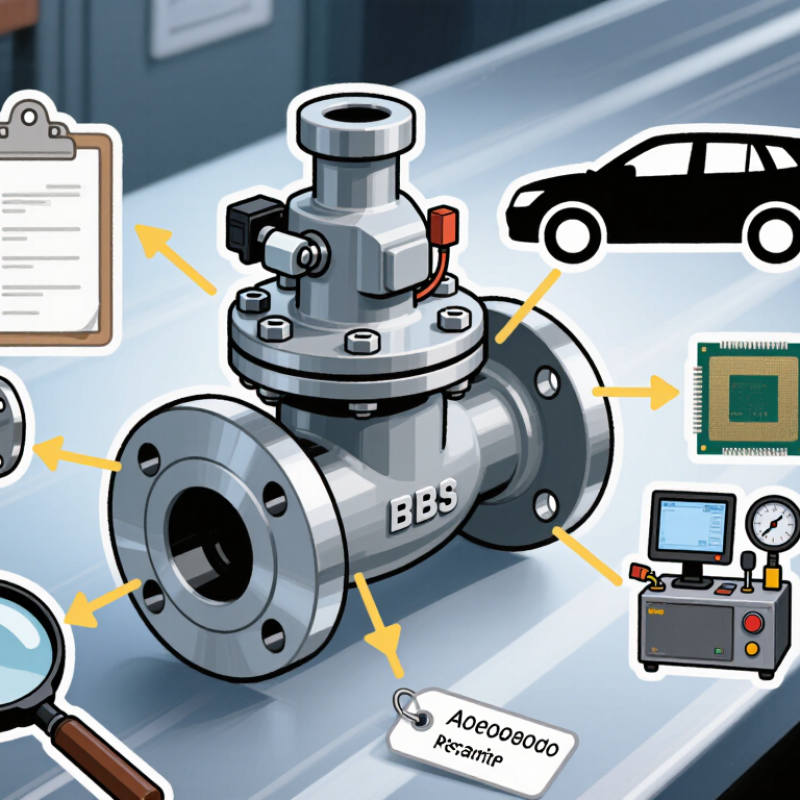
An EBS axle modulator valve controls compressed-air braking at the axle. It receives electronic commands, adjusts pressure, and helps each wheel brake evenly. The valve also communicates with wheel-speed sensors and the central EBS controller. That coordination reduces lock-up risk and supports stable braking during emergency stops.
Its role is practical and demanding. It works beside hot brakes, road salt, vibration, and moisture. A good unit should match the vehicle’s axle layout, air ports, voltage, diagnostic protocol, and approved braking configuration. Check response time, pressure range, connector condition, and sealing quality. Do not rely on appearance alone. A clean housing can hide a slow solenoid or internal corrosion. In workshop inspections, comparing commanded pressure with measured pressure often reveals faults earlier than a dashboard warning.
The World Health Organization’s Global Status Report on Road Safety 2023 estimates 1.19 million annual road deaths worldwide. That figure gives braking reliability serious weight, even though an axle modulator is only one component. European Commission data recorded about 20,400 road deaths in the European Union during 2023. Regulatory compliance, documented testing, and correct calibration therefore matter more than the lowest purchase price. I still see buyers overlook software compatibility. That mistake is expensive. Verify the technical data sheet, service history, and end-of-line test results before ordering. Some suppliers publish impressive pressure figures, but omit durability conditions. That omission deserves a second look.
This chart shows a typical reference relationship between electronic brake command and modulated outlet pressure in a heavy-vehicle EBS system. A practical buying evaluation should also verify channel configuration, supply-pressure range, response time, connector compatibility, environmental protection, diagnostic support, and compliance with the vehicle manufacturer's specifications. The 0–8 bar pressure scale is a common reference range; actual valve calibration varies by vehicle and application.
When buying an EBS axle modulator valve, confirm the vehicle application before comparing prices. Check axle count, suspension type, braking layout, and production year. A visually identical housing can still use different software or pressure maps. Do not guess.
Match the valve’s operating voltage, pneumatic ports, connector shape, CAN communication protocol, and maximum working pressure. ISO 11992 supports electronic communication between towing and towed vehicles, while UNECE Regulation No. 13 defines braking requirements for many commercial vehicles. Ask for the exact technical datasheet. It should list response time, temperature range, ingress protection, and diagnostic compatibility. Small differences matter.
Review the axle load and duty cycle. A heavily loaded trailer needs a modulator rated for repeated thermal and vibration stress. The European Commission’s Transport in Figures 2024 reports that road freight carried about 77% of EU inland freight tonne-kilometres in 2022. That operating intensity makes compatibility more important than a low purchase price. Confirm whether calibration is required after installation, and request fault-code procedures. Check the label.
Inspect the connector pins and air ports against the existing unit. Photograph both before ordering. I have seen returns caused by one reversed port or an outdated connector. Verify the supplier’s test report, traceability records, and warranty conditions. The final decision should follow the vehicle manufacturer’s service data, not a marketplace photograph.
When buying an EBS axle modulator valve, inspect more than response speed and price. The valve should deliver stable pressure across repeated braking cycles, even near the axle, where moisture, vibration, and road salt create harsh conditions. Check housing protection, connector sealing, diaphragm material, and corrosion resistance. A clean pressure test is essential. So is cold-start testing.
The Commercial Vehicle Safety Alliance reported 48,761 inspections during its 2024 International Roadcheck. About 22.6% of vehicles received an out-of-service violation, while brake-system defects represented 25.2% of vehicle out-of-service violations. These figures make valve quality a practical safety issue, not a specification-sheet detail. Ask for test records, calibration evidence, batch traceability, and compliance documentation linked to UNECE Regulation No. 13. ISO 9001 certification can support process control, but it cannot replace product-level testing. That distinction is easy to miss.
Manufacturer reliability also deserves close evaluation. Review warranty terms, field-return data, software support, and replacement availability. A supplier should explain how it controls seal changes, firmware revisions, and end-of-line testing. Technical support matters when diagnostic fault codes appear after installation. Some purchasing teams still accept vague claims like “OEM quality.” That is not enough. Request measurable limits, sample results, and a clear response time for failures. Even experienced buyers can overvalue a low initial price. The cheaper valve may create longer downtime.
Buying an EBS axle modulator valve requires more than comparing catalog prices. Measure the axle layout, mounting space, port orientation, and electrical connector before requesting quotations. A valve that fits the specification may still need a bracket change. Check pressure ratings, response data, and communication compatibility. Ask for test records and traceable documentation.
Installation costs often hide in small details. Confirm whether technicians need special diagnostic equipment, new wiring, or extra adapters. Inspect air lines for corrosion before fitting the valve. Clean connections matter.
Follow the vehicle manufacturer’s torque and testing procedures. Allow time for brake-system calibration and a leak test. I have seen projects delayed because one missing connector was treated as unimportant.
Maintenance should be judged over the full service period. Choose a design with accessible ports and clear fault codes. Check the recommended inspection interval, seal availability, and technician training requirements. Compare purchase price, labor hours, downtime, energy use, and replacement parts. A cheaper valve can become expensive after repeated troubleshooting. Request warranty terms in writing, including response times and exclusions. Keep installation photos and test readings for future diagnosis. The seventh check is simple: review the supplier’s technical support history, not just the promised price. I would also challenge my own estimate, because workshop conditions rarely match the spreadsheet.
Before buying an EBS axle modulator valve, verify its certifications carefully. Ask for current documents, not copied images. Check the issuing organization, certificate number, product scope, and expiration date. The model description should match the valve you will receive. A certificate alone does not prove reliable performance. Request inspection records, pressure-test results, and material traceability when available. Tip: Call the certification issuer if any detail looks unclear. Small inconsistencies matter.
Warranty terms deserve equal attention. Confirm the coverage period, starting date, and conditions for replacement. Ask whether labor, transport, testing, and emergency shipping are included. Some warranties exclude incorrect storage or contaminated air systems. That can become expensive. I have seen buyers focus on price and overlook installation evidence. That was a poor decision. Keep invoices, photographs, serial numbers, and commissioning records. They may protect your claim later.
After-sales support should be tested before payment. Ask how quickly technical staff respond and whether they provide installation guidance. Confirm access to troubleshooting charts, maintenance instructions, and replacement parts. A dependable supplier should explain testing procedures clearly, without vague promises. Tip: Send a technical question before ordering. The reply shows their real expertise. Also request a written escalation process for urgent failures. Response times may vary, and sales assurances are not enough. Choose support you can document.
| Tip | Evaluation Dimension | 1 | Confirm vehicle and axle compatibility | Product data sheet, technical drawing, connector details, port configuration, operating-voltage range, and compatible vehicle or trailer applications. | Match the valve’s port layout, electrical connector, mounting pattern, air-pressure range, and communication requirements with the vehicle manufacturer’s service information. Confirm whether the unit is intended for the specific axle position. | Incorrect fitment can cause installation delays, air leakage, warning faults, or improper electronic braking performance. | |
|---|---|---|---|---|---|---|---|
| 2 | Verify regulatory and quality certifications | Current certificates or declarations applicable to the intended market, such as UNECE R13 approval documentation, ISO 9001 certification, and documented end-of-line test procedures. | Check the certificate scope, issuing body, validity period, manufacturing site, and product coverage. Do not rely only on a logo or an unverified claim; request the original document or a traceable certificate reference. | A general quality certificate does not automatically prove that a specific axle modulator valve is approved for every vehicle or jurisdiction. | |||
| 3 | Assess technical performance specifications | Rated supply voltage, permissible air pressure, temperature range, ingress-protection rating, response characteristics, diagnostic capability, and pressure-sensor accuracy where applicable. | Compare the published values with the vehicle system requirements. Ask for inspection or test records covering pneumatic leakage, electrical continuity, sensor signals, communication, and fault-code behavior. | Incomplete specifications make it difficult to predict performance in vibration, moisture, low temperatures, or heavy-duty braking cycles. | |||
| 4 | Review warranty coverage in writing | Warranty duration, start date, covered parts and labor, replacement or repair process, exclusions, return-shipping responsibility, and required installation conditions. | Confirm whether coverage starts at shipment, delivery, or installation. Check exclusions for contamination, incorrect installation, unauthorized modification, corrosion, voltage damage, and normal wear. Ensure the terms apply to the purchasing entity and destination country. | A long warranty period may have limited value if labor, diagnostics, freight, or consequential costs are excluded. | |||
| 5 | Evaluate traceability and documentation | Part number, revision level, serial or batch identification, date code, inspection record, installation instructions, wiring information, and calibration or test documentation where applicable. | Confirm that the identification marking on the valve matches the packing list and certificate documents. Retain the batch information for fleet maintenance, recalls, warranty claims, and root-cause investigations. | Poor traceability can make it impossible to identify affected units or prove compliance during a warranty or safety investigation. | |||
| 6 | Measure after-sales technical support | Service contact details, response-time commitment, diagnostic guidance, installation assistance, troubleshooting procedures, training resources, and availability of replacement components. | Ask whether support staff can interpret diagnostic fault codes, pneumatic test results, and vehicle communication errors. Clarify support hours, escalation procedures, language availability, and remote or field-service options. | Delayed technical support can increase vehicle downtime and may lead to unnecessary replacement of functioning components. | |||
| 7 | Check lifecycle cost and spare-parts continuity | Quotation validity, minimum order quantity, lead time, repairability, replacement-unit availability, packaging requirements, software or parameterization needs, and expected product-life support. | Compare total cost rather than unit price alone, including installation, diagnostic calibration, freight, core returns, and downtime. Request written confirmation of planned support for spare parts and engineering changes. | A low purchase price may become expensive if parts are difficult to source, require special programming, or have unpredictable lead times. |
It controls compressed-air braking at an axle. Electronic commands adjust pressure for balanced wheel braking.
It communicates with wheel-speed sensors and the central controller. This coordination helps reduce wheel lock-up and improves stability.
Check axle count, suspension type, braking layout, production year, voltage, air ports, and connector shape.
Not always. Different software, pressure maps, or communication protocols may prevent proper operation.
Review response time, pressure range, temperature limits, sealing quality, ingress protection, and diagnostic compatibility.
Examine connector pins, air ports, housing condition, and corrosion. A clean exterior proves little.
Compare commanded pressure with measured pressure. This may reveal slow solenoids before dashboard warnings appear.
It may be required. Follow the vehicle’s service data and confirm the correct fault-code procedure.
These records show testing history and product identification. They also expose missing durability information, which deserves caution.
Buyers sometimes trust a marketplace photograph. Photograph the old valve, check every port, and verify compatibility twice.
Choosing the right EBS Axle Modulator Valves requires more than comparing prices. Start by understanding how the valve controls electronic braking performance, distributes pressure, and supports vehicle stability. Confirm compatibility with the vehicle’s braking system, axle configuration, electrical connections, operating pressure, and communication requirements. This helps prevent installation problems and ensures dependable performance in real driving conditions.
Next, evaluate product quality, material durability, manufacturing consistency, and supplier reliability. Compare installation procedures, service access, maintenance needs, replacement parts, and the total cost over the valve’s expected service life rather than focusing only on the purchase price. Before making a decision, verify relevant certifications, testing documentation, warranty terms, and after-sales technical support. A supplier that provides clear specifications, installation guidance, and responsive assistance can reduce downtime and improve long-term braking system reliability.